Rwanda is one of the most cited examples globally of a low-income country that has deliberately engineered its way out of health system fragility. Starting from near-zero infrastructure after 1994, Rwanda built a community health worker network of nearly 60,000, achieved near-universal community-based health insurance through Mutuelle de Santé, and consistently outperformed regional peers on maternal and child health indicators. That foundation made Rwanda uniquely ready for the next leap: digitizing the entire primary healthcare chain from village to national command centre.
SFH Rwanda, established in 2012 is now the most significant non-government implementing partner in that digital leap. What began as a behaviour change and social marketing organization has evolved — deliberately and structurally — into the primary architect of Rwanda’s digitally enabled primary healthcare model at the last mile.
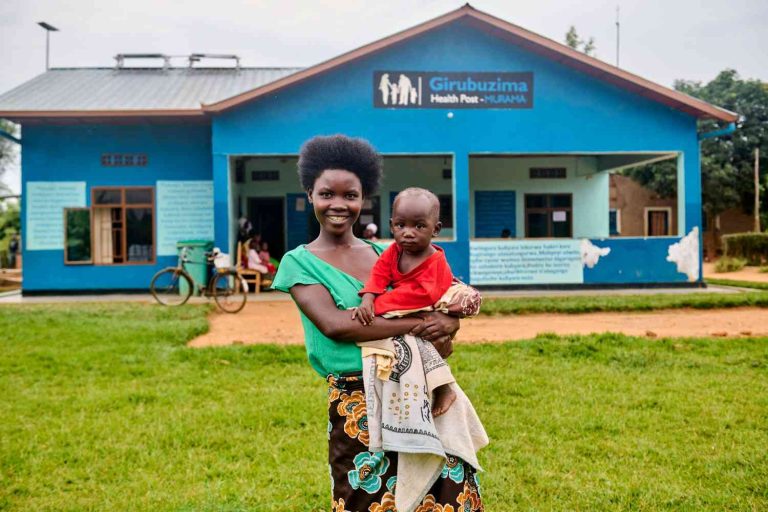
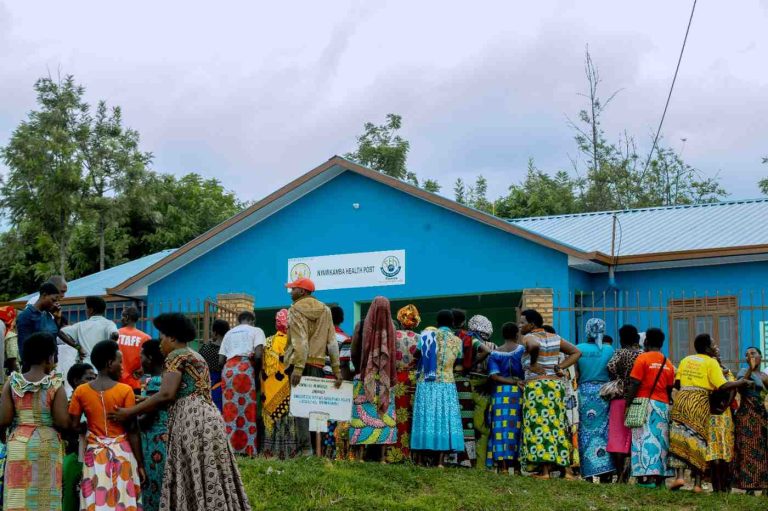
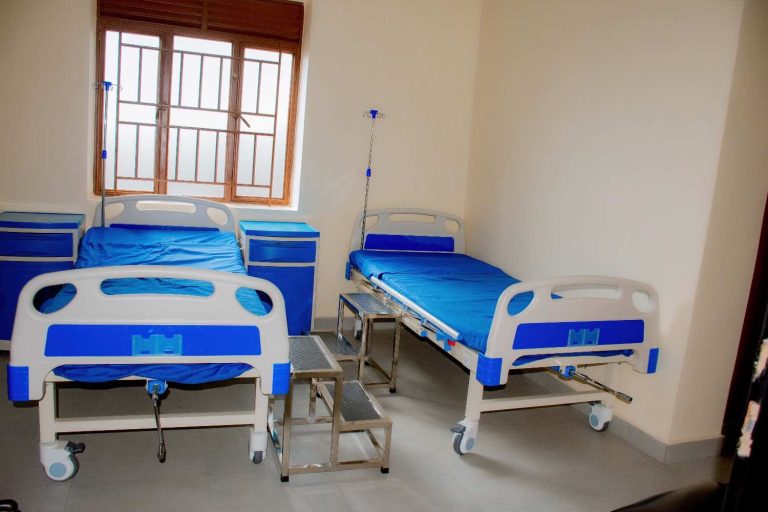
These are not upgraded clinics — they are a fundamentally reimagined model of community-level care. SGHPs combine expanded clinical services — diagnostic labs, full pharmacies, maternity and delivery wards, NCD management, infectious disease testing — with a complete digital infrastructure stack: EMR platforms, laptops and tablets, Starlink satellite internet, solar power, fridge monitoring and water filtration. They are nurse-run, designed to be financially self-sustaining as social enterprises, and positioned within a 30-minute walk of rural populations — a critical design parameter given that approximately 83% of Rwandans live in rural areas.
SFH has constructed and operates over 350 health posts as part of its agreement with the national government. Each post is designed to serve a catchment area of about 5,000 to 7,000 people, treating up to 100 patients daily, and creating over 3000 new direct full-time positions including clinicians, digital officers and other indirect jobs in the larger ecosystem.
E-Buzima — The EMR Backbone
At the Health Centre facility level, SFH is the primary training and deployment partner for e-Buzima, Rwanda’s national EMR system, which operationalizes the Ministry of Health’s “One Patient, One Record” vision. More than 100 facilities have been digitized, with SFH having trained over 1,930 healthcare providers across the country. E-Buzima uses patients’ National IDs as medical passports as unique patient identifier across the entire system, enabling continuity of care across facilities and across time. The transition it replaces is stark: paper-based systems that caused delays in retrieving patient records, fragmented clinical histories, limited data use for decision-making, and inefficient reporting.
The Blue Room / Health Intelligence - AI at the Centre
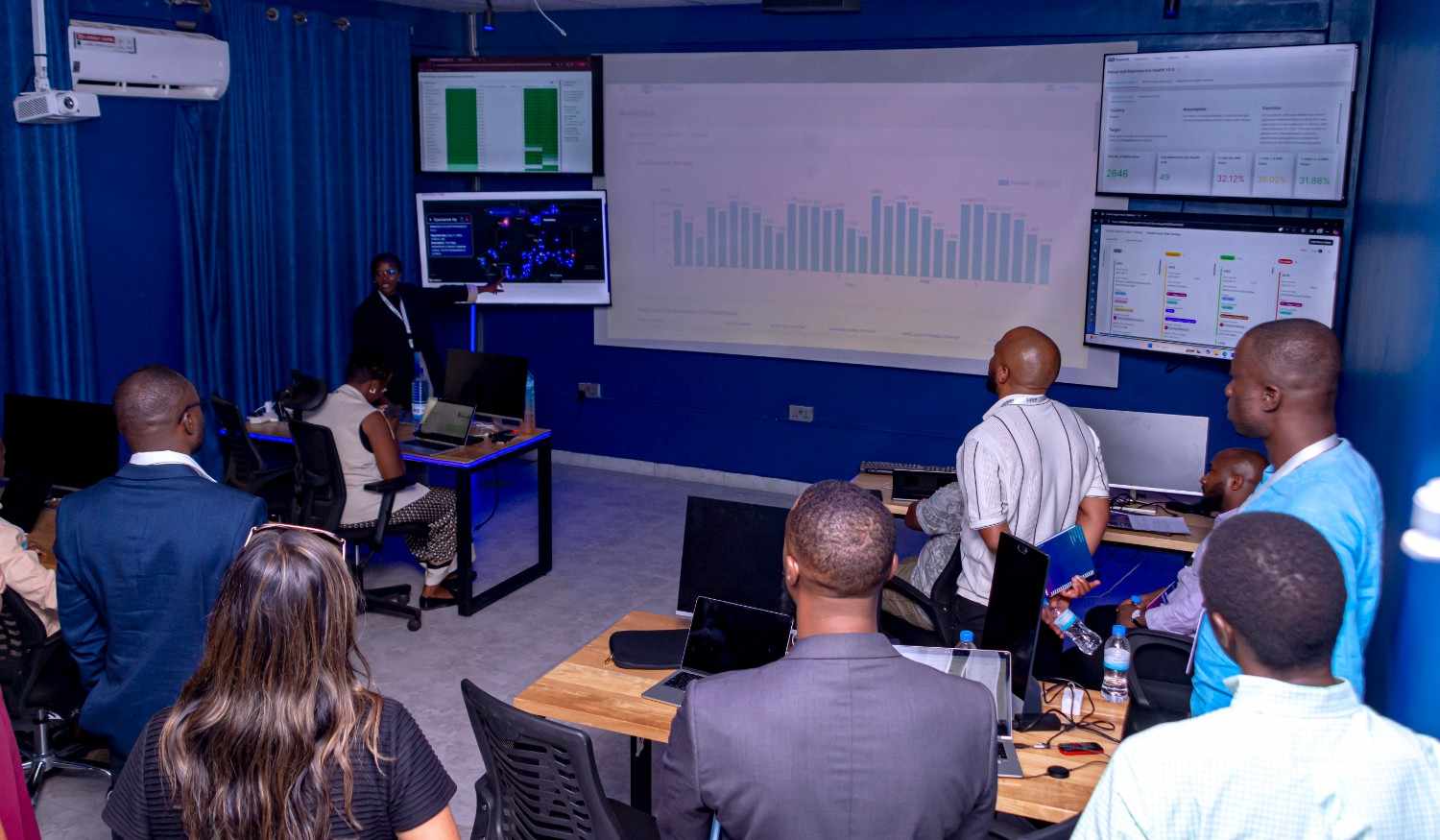
SFH's most strategically significant innovation is the Blue Room, its centralized AI-powered health intelligence hub developed in partnership with Sand Technologies. Operational since approximately 2022, the Blue Room aggregates real-time data from digitized facilities, feeding it through dashboards, maps, case counts, and trend visualizations. It enables real-time monitoring, predictive analytics, outbreak detection, resource allocation decisions, and proactive risk visualization — replacing systems where leaders waited weeks for paper reports.
The Community Health Worker Digital Layer
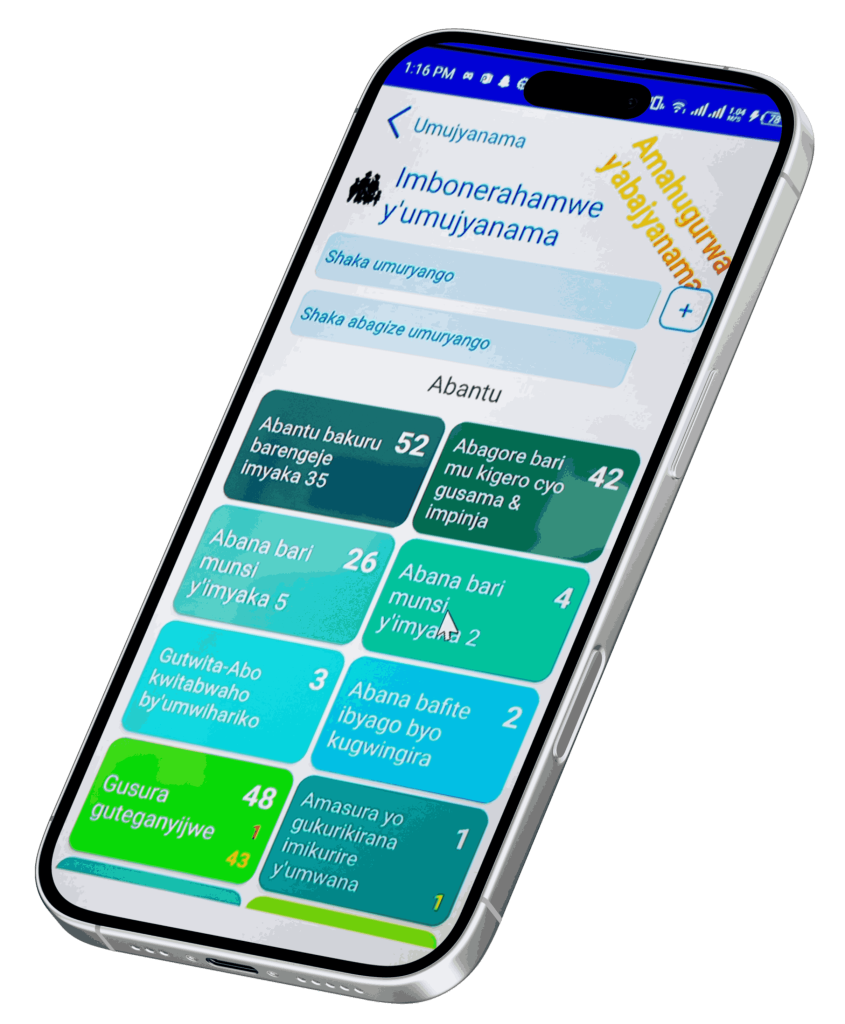
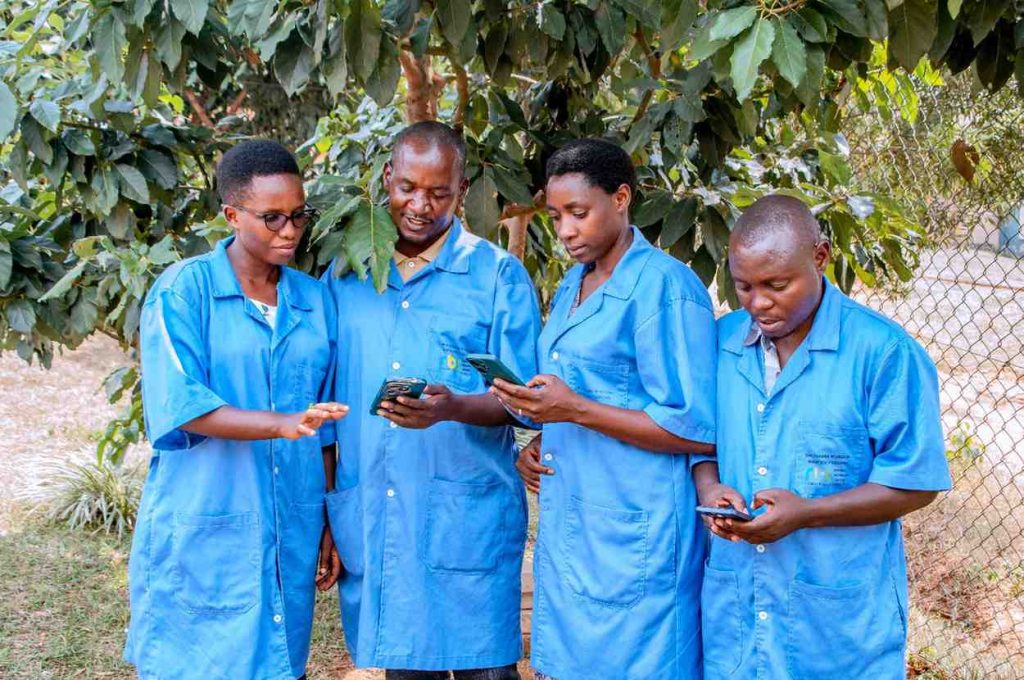
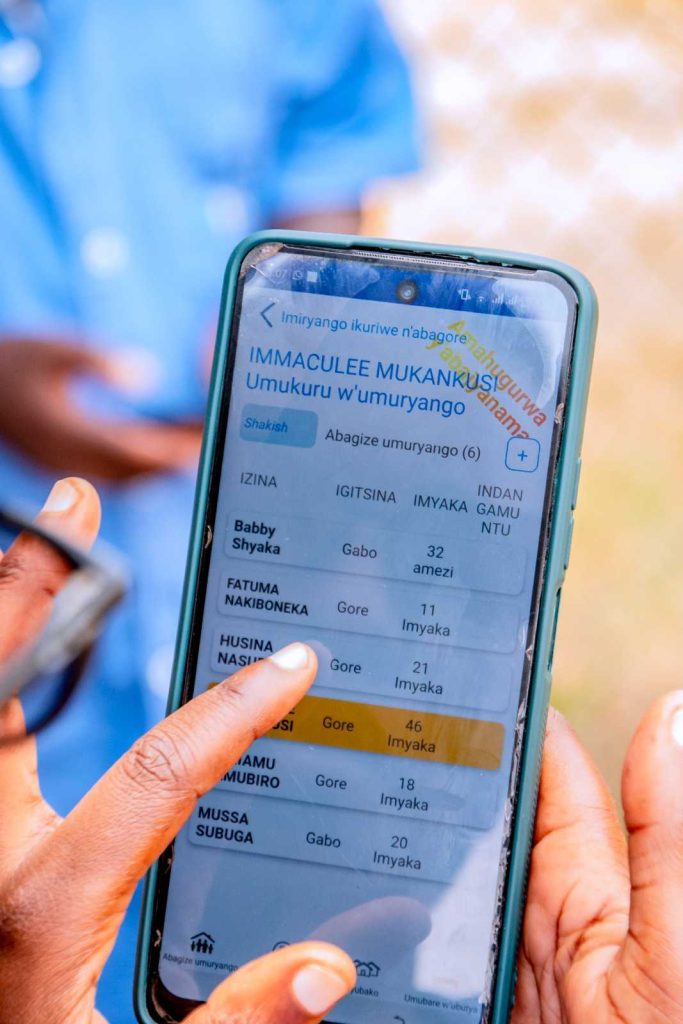
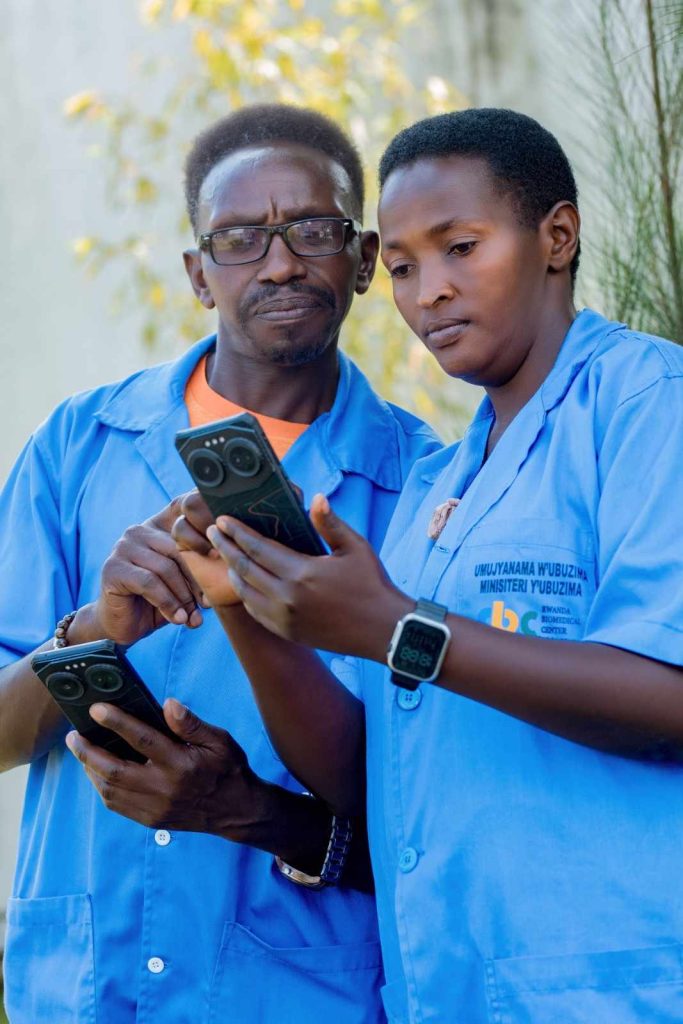
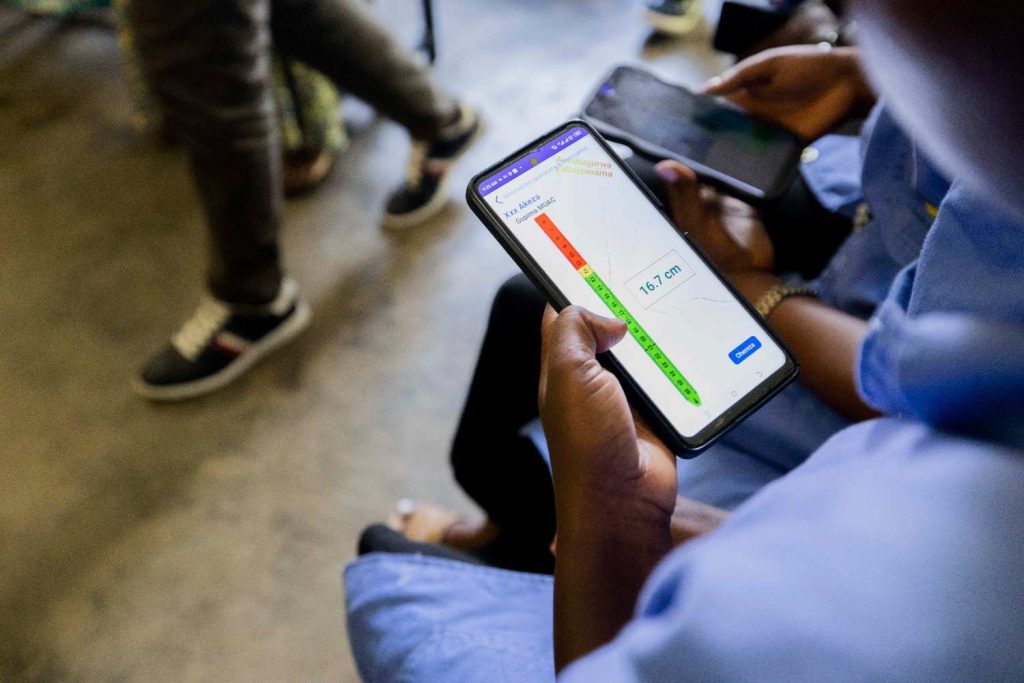
At the base of the healthcare pyramid, SFH supports the scaling of Rwanda's electronic Community Health Information System, working with the Ministry of Health, RBC, and development partners. eCHIS/CEMR — is a mobile platform that digitizes household registration, malaria, pneumonia, and TB case management, nutrition monitoring, maternal and child health workflows, and NCD screening. The national ambition is to reach all CHWs across 30 districts by end-2026. Complementing eCHIS/CEMR is e-Bumenyi, the AI-powered CHW training and support platform developed to shift CHW training from cascade in-person methods to personalized digital learning and real-time remote supervision. It adds AI-supported diagnostics, outbreak prediction, automated reporting, and Kinyarwanda-adapted natural language tools. The goal is to reduce CHW training costs by up to 50% or more while improving service quality and enabling performance monitoring at scale.
The Architecture in Full
SFH Rwanda is, in effect, supporting the Ministry of Health to optimize a vertically integrated digital health system across four layers simultaneously: No other non-government organization in Rwanda is operating at this vertical span. This is what distinguishes SFH’s digital health work from typical implementing partner activity — it is directly building the architecture, not just running programs within it.
What the Evidence Shows Process Improvements — Strongest Evidence
The clearest documented gains are in system processes and operational efficiency delivering high-quality care to an additional 1,121,047 patients through the digitized network. Data quality across connected health posts is exceeding 85% on completeness, timeliness, and accuracy. Healthcare worker satisfaction has increased from 60% to 80%. Reduced manual reporting is giving frontline staff back three days per month. The administrative cost reduction across the digitized network is reported at up to 80%, with over 75% of units described as profitable or financially sustainable.
At the CHW level, the community EMR rollout — which SFH supports — replaced paper-heavy workflows requiring CHWs to carry multiple registers, and UNICEF explicitly links this to improved quality and continuity of maternal, newborn, and child health care. The digital disease screening tool embedded in the community EMR —shows up to a 59% reduction in unnecessary referrals in pilot districts.
The global context gives SFH’s work a significance that goes beyond national performance. The world is approximately 4.5 billion people short of equitable essential health service coverage. The conventional model — building more hospitals, training more doctors, writing more policies — has not closed that gap. SFH Rwanda’s primary implementing model, suggests a different path: digitally enabled, nurse-run, community-anchored primary healthcare that is financially sustainable, data-connected, and AI-supported.
At the World Economic Forum in Davos in January 2026, Rwanda’s Health Intelligence Centre was held up as the global reference model for how AI in health can be embedded in national systems responsibly and at scale, a proof of concept for how the world might actually close the healthcare access gap.