In October 2025, with support from the Global Fund, Rwanda’s Ministry of Health, through the Rwanda Biomedical Centre (RBC), we moved from blanket Indoor Residual Spraying (IRS) to a targeted, intelligence-led model — concentrating resources where malaria burden was highest.
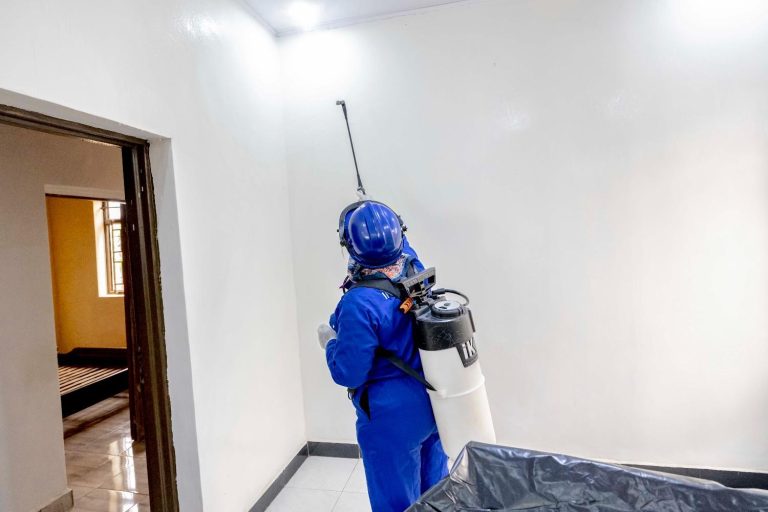
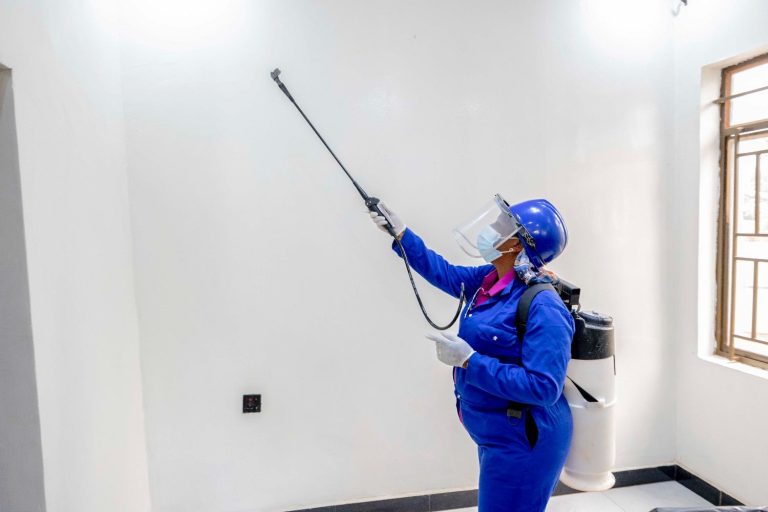
In Eastern Province, Rwanda’s malaria vector control strategy translated into action. Between October and November 2025, Society for Family Health (SFH) Rwanda partnered with district leadership to implement IRS in 16 high-incidence sectors across Bugesera, Kirehe, Nyagatare, and Rwamagana.
The sectors selected were not chosen by geography, but by epidemiology — each reporting over 100 malaria cases per 1,000 population. The objective was simple but strategic: interrupt transmission where it is most concentrated, protect the most vulnerable populations, and prevent resurgence.
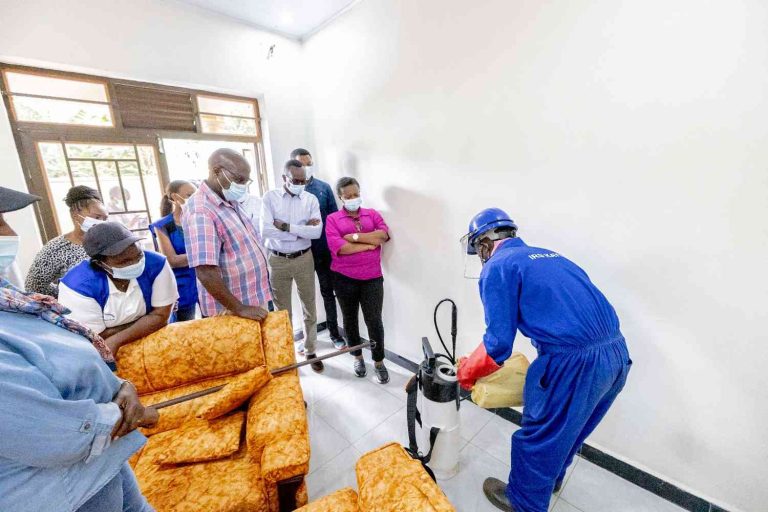
By the close of the campaign:
163,002
structures had been sprayed
163,002
structures had been sprayed
99.8%
coverage was achieved
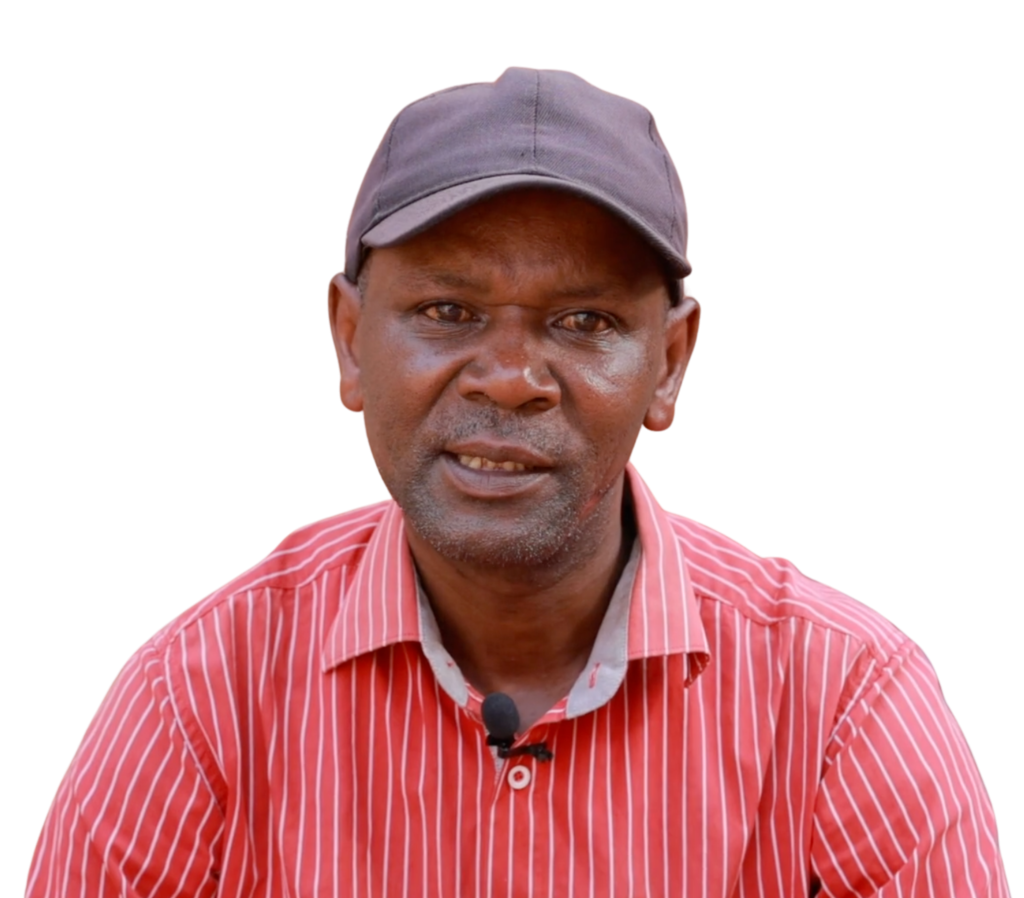
“This is a very good activity because malaria is a big issue here in our community. It is a protective measure, so one of the strategies I have aligned myself with is to let my neighbours know that they must be first in line because prevention is better than cure”
Higiro Straton
Resident Rwamagana District
A SYSTEMS RESPONSE
Indoor Residual Spraying is often viewed as a technical intervention — insecticide applied to interior walls. But in practice, it is a systems exercise. It requires synchronized planning between national and district leadership. It demands community trust. It depends on quality assurance, supervision, and entomological monitoring. It relies on disciplined logistics and environmental safeguards.
This campaign mobilized nearly 1,700 personnel across technical, supervisory, and community health workers (CHW’s) — not simply to spray walls, but to execute a coordinated public health operation under compressed timelines and fiscal constraint.
What made the difference was not scale. It was alignment.
Local leaders engaged communities early. Data teams monitored progress daily. Quality checks confirmed insecticide performance above WHO thresholds. Environmental compliance standards were upheld. Every layer reinforced the next.
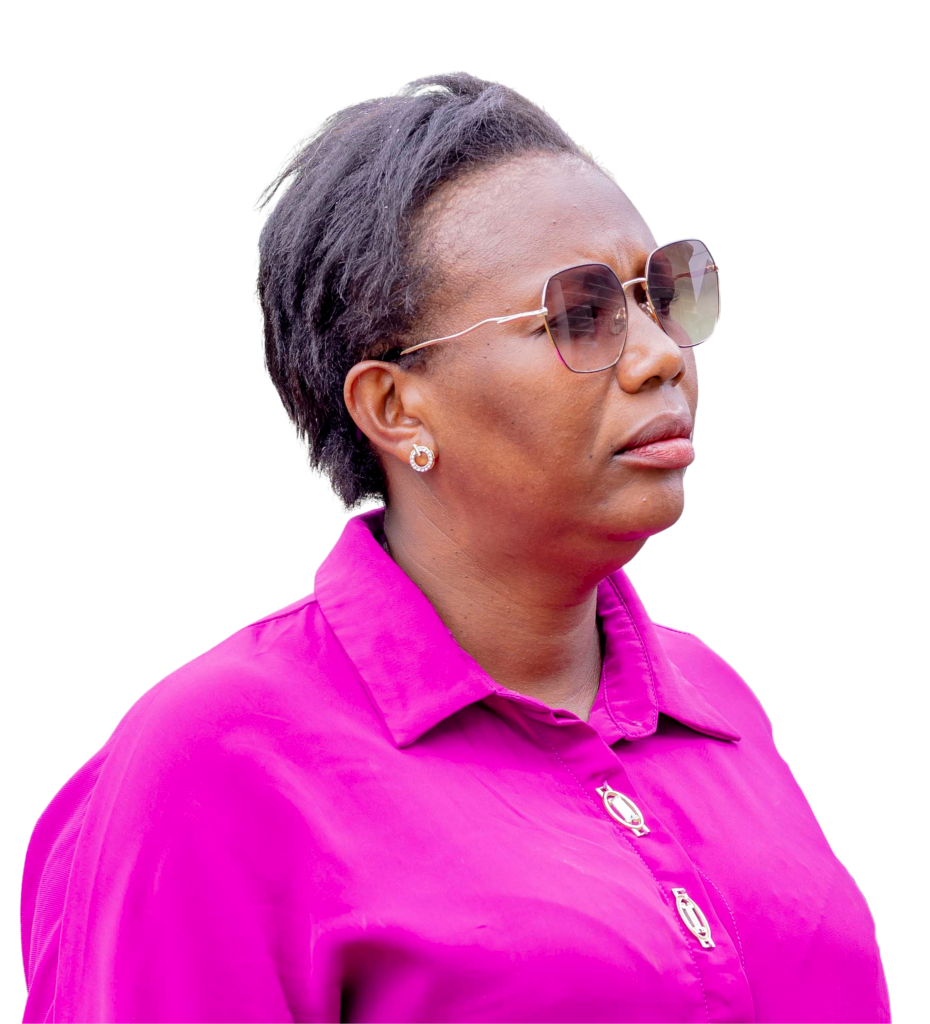
“We are fully committed to supporting this intervention alongside our partners because the health of our residents directly affects the strength of our communities. When people fall ill, livelihoods are disrupted, and children miss school. That is why we will continue to actively mobilize and engage our communities to ensure this campaign is understood, accepted, and embraced.”
Jeanne Umutoni
Vice Mayor Social Affairs Rwamagana District
Delivering Health and Protection
The campaign unfolded in a year marked by funding reductions from major global donors. Yet the shift toward targeted IRS itself reflects adaptation — a deliberate move to optimize impact per dollar invested. Precision, in this context, is not only epidemiological. It is financial stewardship. By concentrating on high-incidence sectors, Rwanda is protecting recent malaria gains while navigating resource realities.
We contribute directly to SDG 3 by making high-quality, affordable healthcare a reality for rural families. Through our SGHPs, national campaigns, and behavior change initiatives, we deliver maternal care, infectious disease management, family planning, and mental health services in dignified, accessible ways.
Why Now?
Delivering Health and Protection
Malaria control is fragile.
When interventions weaken, resurgence follows. Rwanda’s targeted IRS model demonstrates strategic focus can preserve momentum. This represents more than a successful campaign. It signals a maturing malaria response — one that integrates surveillance intelligence, resistance management, and community partnership into a single coordinated strategy. And it reinforces a broader principle: Impact is determined by how we intelligently deploy.
“Reaching nearly 100% of our target households reflects the power of true partnership and the extraordinary commitment of our Community Health Workers. Their discipline, speed, and community trust made this campaign possible. At SFH Rwanda, we are confident that with sustained collaboration and precision interventions like this, a future free of malaria is within reach.”
Seraphine Gahigana
Director Programs- SFH Rwanda.
The Road Ahead
As Rwanda is advancing towards spraying nearly 900,000 structures nationwide under its (FY 2025–2026) strategy :
Targeted
Accountable
Measurable
630,168 people protected in just over three weeks. In malaria control, that is not just coverage. It is protection, prevention and efficient system resilience, a reminder that strategic focus can safeguard public health progress.
Trackbacks and Pingbacks