A Young Family’s Story of Prevention, Protection, and Peace of Mind

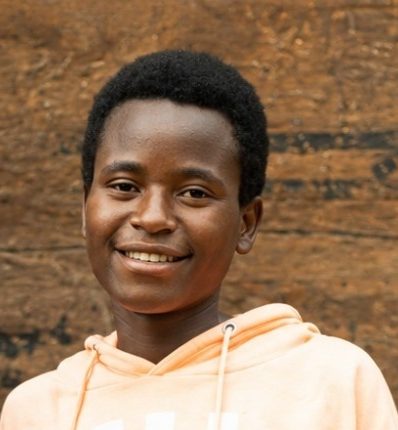
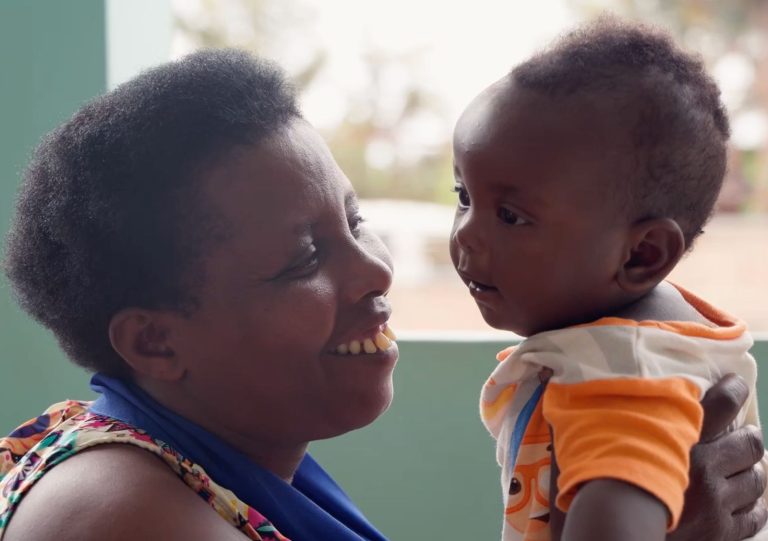
In Bugesera District, Ngeruka Sector, Kigarama Village, 20-year-old Niyigena Maritha is preparing for the birth of her first child. At seven months pregnant, she carries the hopes and worries familiar to many expectant mothers: staying healthy, protecting her unborn baby, and making sure her home is as safe as possible.

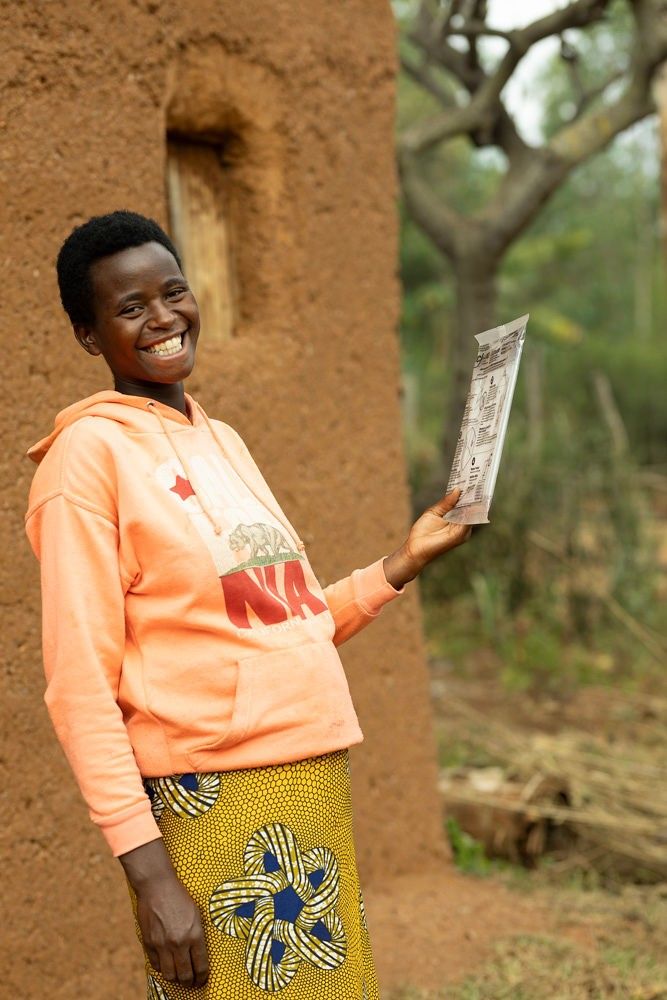
Niyigena Maritha, holds a Guardian™ spatial repellent. Kigarama Village, Bugesera District — 2026

Niyigena Maritha, holds a Guardian™ spatial repellent.

Kigarama Village, Bugesera District — 2026

For Maritha and her husband, 22-year-old Ndayishimye Bosco, malaria prevention has always been part of daily life. Like many families in their community, they use mosquito nets and follow recommended practices such as closing doors and windows early in the evening. Bosco sums up their approach with a familiar Rwandan saying: “Kwirinda kuruta kwivuza” — prevention is better than cure.

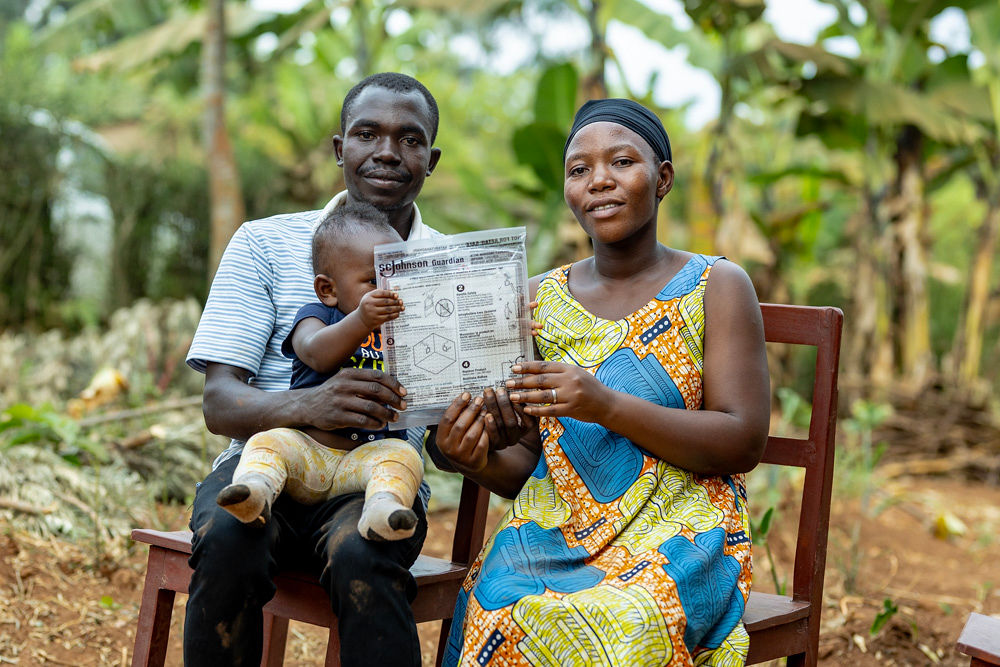
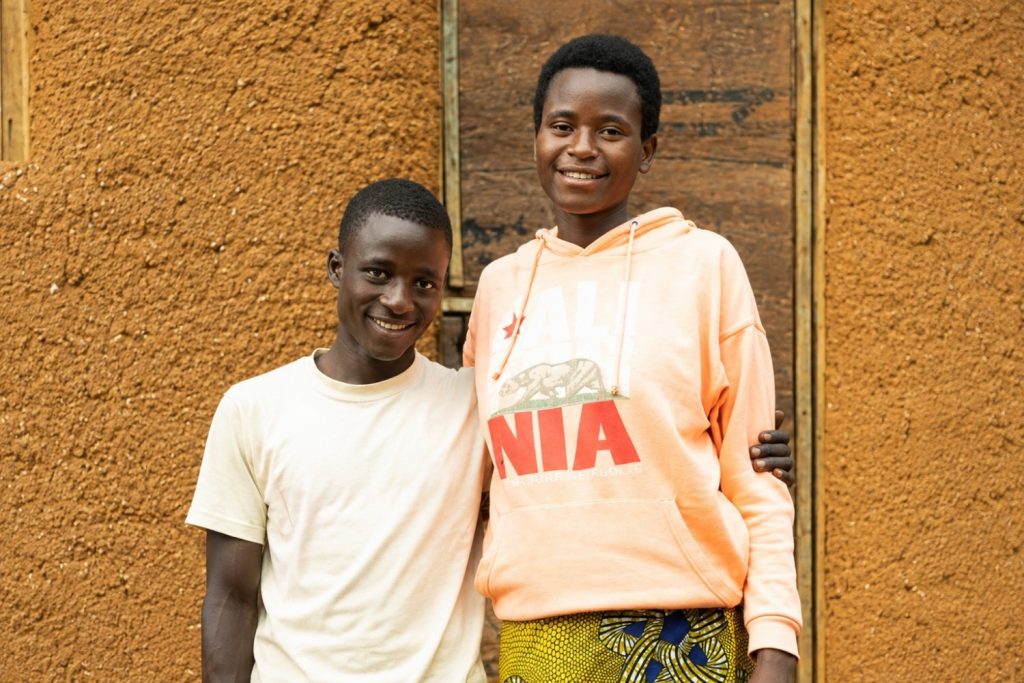
Maritha and Bosco outside their home.

Kigarama Village, Bugesera District — 2026

Accessing care is also not always easy. A motorbike ride to the health center for antenatal care costs about RWF 2,500 one way, a significant expense for a young farming household. While Maritha remains committed to attending antenatal care, the cost and distance make prevention at home even more important.

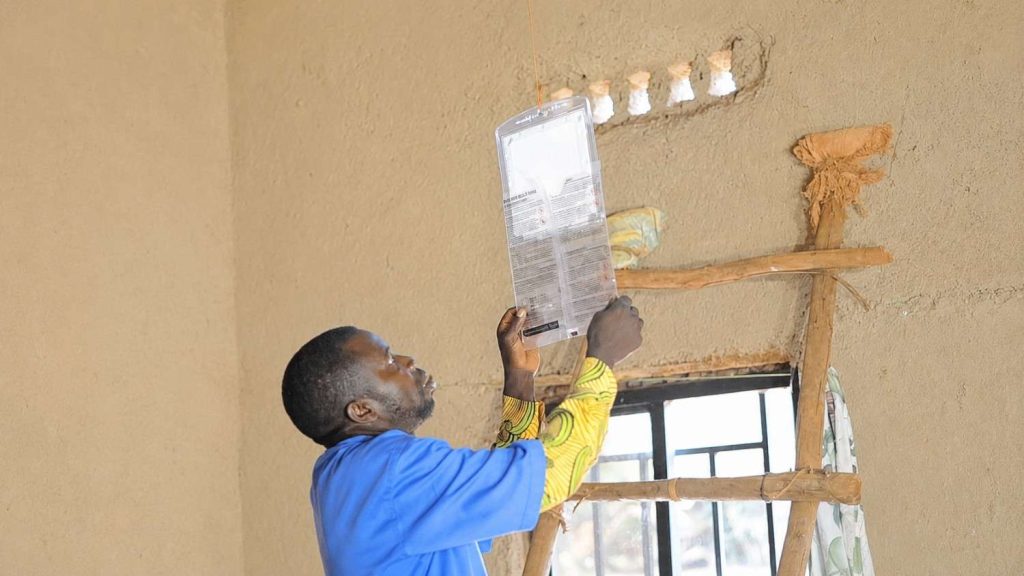
That is why the visit from community health workers became a meaningful moment for the family. During one of their routine household visits, community health workers introduced Maritha and Bosco to Guardian™ spatial repellent, explained how it works, demonstrated how to use it correctly, and provided the product to the household.

A community health worker installs a Guardian™ spatial repellent unit in a household.

Kigarama Village, Bugesera District — 2026

For Maritha, the change was felt quickly. “The tool is great because of its effectiveness,” she says. “We used to depend only on the mosquito net, but it was limited to the bedroom. Most times, I would find myself thinking about my unborn child and wondering if we would be confined to the bedroom for all our activities because that is where the protection was’’.

For Maritha, the change was felt quickly. “The tool is great because of its effectiveness,” she says. “We used to depend only on the mosquito net, but it was limited to the bedroom. Most times, I would find myself thinking about my unborn child and wondering if we would be confined to the bedroom for all our activities because that is where the protection was’’.

“Today, I have no worries at all. We literally have no mosquitoes in the room, and this even extends to other spaces like the corridors. I feel really blessed.” Testifies Marita
- Maritha

The Guardian™ spatial repellent unit, installed to extend protection beyond the bedroom into shared living spaces.

Kigarama Village, Bugesera District — 2026

Implemented by SFH Rwanda in partnership with SC Johnson, the Guardian™ spatial repellent deployment is part of ongoing efforts to strengthen malaria prevention in high-burden communities. The initiative complements existing malaria control tools such as insecticide-treated nets, indoor residual spraying, timely diagnosis, treatment, and community health education.

Through the trusted network of community health workers, households are not only receiving the product, but also learning how to use it correctly and consistently.

From March -April 2025, SFH Rwanda deployed 57,900 Guardian units’ country wide through SFH’s social marketing channels, scaled up Guardian™ deployment through targeted free distribution, community outreach, behavior change communication, and mass media engagement.

Through targeted free deployment from February to March 2026, 20,579 Guardian™ units were distributed across high-risk districts, reaching 1,963 households and directly protecting 15,704 individuals. In addition, 37,321 units were deployed through SFH Rwanda’s social marketing channels nationwide, expanding access beyond the initial free distribution areas.
20,579

Guardian™ units distributed free (Feb–Mar 2026)

1,963

Households reached through free distribution

1250+

Individuals directly protected

37,321

Additional units deployed via social marketing( March 2025-April 2026)

The experience in Kigarama Village also reflects a broader community response. In the same area, 26-year-old Tuyishime Janet and her husband, Iradukunda Jean Pierre, received Guardian™ spatial repellent after Janet had experienced malaria early in her pregnancy. The illness disrupted her work and left her fearful of falling sick again.

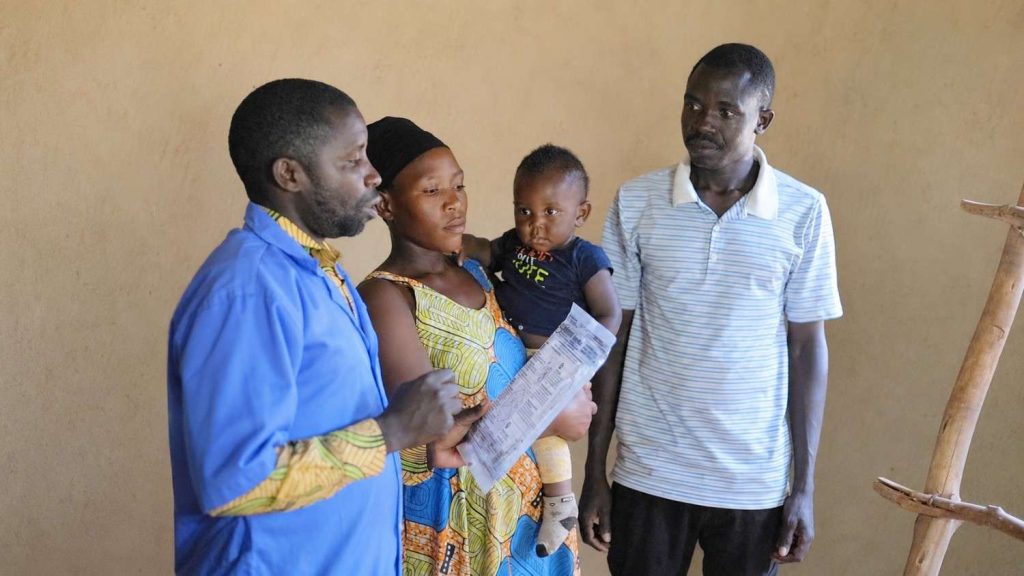
A community health worker explains how to use Guardian™ spatial repellent to Janet, and her husband Jean Pierre.

Kigarama Village, Bugesera District — 2026

When community health workers introduced Guardian™ to their household, the family welcomed it with hope. “In the beginning, the mosquitoes did not completely disappear, but they reduced,” Janet explains. “After a few days, they were no more. It is easy to use. You hang it once, and that is it.”

For Janet’s family, the product has brought reassurance.

Her husband says they are grateful because preventing malaria also means protecting their ability to work, care for their child, and avoid losing time and income to preventable illness.

Janet and Jean Pierre with  the Guardian™ product information

Kigarama Village, Bugesera District — 2026

Both Marita and Janet families have strong testimonies of how malaria prevention is not only a clinical issue. It is also about household confidence, maternal protection, economic stability, and trust in community-based health systems. When prevention tools reach families through people they know and trust, such as community health workers, they become part of everyday behavior.

In Bugesera and other high-burden areas, Guardian™ spatial repellent is helping families strengthen protection in the spaces where daily life unfolds.

For Maritha, preparing for motherhood now comes with greater peace of mind. For Janet, it means fewer worries about another episode of malaria during pregnancy. For Bosco and Jean Pierre, it means protecting the health of their families while preserving their ability to work and provide. Together, their stories remind us that malaria prevention is not simply about avoiding illness, it is

about safeguarding pregnancy, protecting livelihoods, and giving families the confidence to thrive.

“Kwirinda biruta kwivuza.”

Prevention is better than cure.

Read Next

Delivering Dignity
How Health Posts are transforming lives in rural Rwanda Emerita Dusabeyezu reflects with poignancy as...