Across Africa, the fight against malaria continues to demand more than one solution, one institution, or one country. It requires science, leadership, strong health systems, community trust, and partnerships that can translate knowledge into action.
This shared commitment was at the center of the 2026 Science of Defeating Malaria Leadership Development Course, held in Abuja, Nigeria, bringing together global health professionals, academic institutions, government partners, national malaria programmes, and implementing organizations for a week of learning, collaboration, and leadership development.
For the Society for Family Health Rwanda, the Abuja edition represented both continuity and growth. After supporting the successful delivery of the 2025 Science of Defeating Malaria course in Kigali alongside the Rwanda Biomedical Centre, SFH Rwanda was proud to join hands with its sister organization, Society for Family Health Nigeria, as implementing partners for the 2026 edition in Nigeria.
The course was hosted in Nigeria by the Federal Ministry of Health and Social Welfare, the National Malaria Elimination Programme, Redeemer’s University, and the Institute of Genomics and Global Health. Academic and institutional course organizers included Université Cheikh Anta Diop de Dakar (UCAD), Harvard T.H. Chan School of Public Health, and University of Health and Allied Sciences as leading partners from Africa and beyond, reflecting the depth of expertise required to confront one of the continent’s most persistent public health challenges.
For SFH Rwanda, contributing to this platform is not simply about supporting a major event. It is about being part of a wider movement to strengthen the people, systems, partnerships, and leadership needed to defeat malaria.
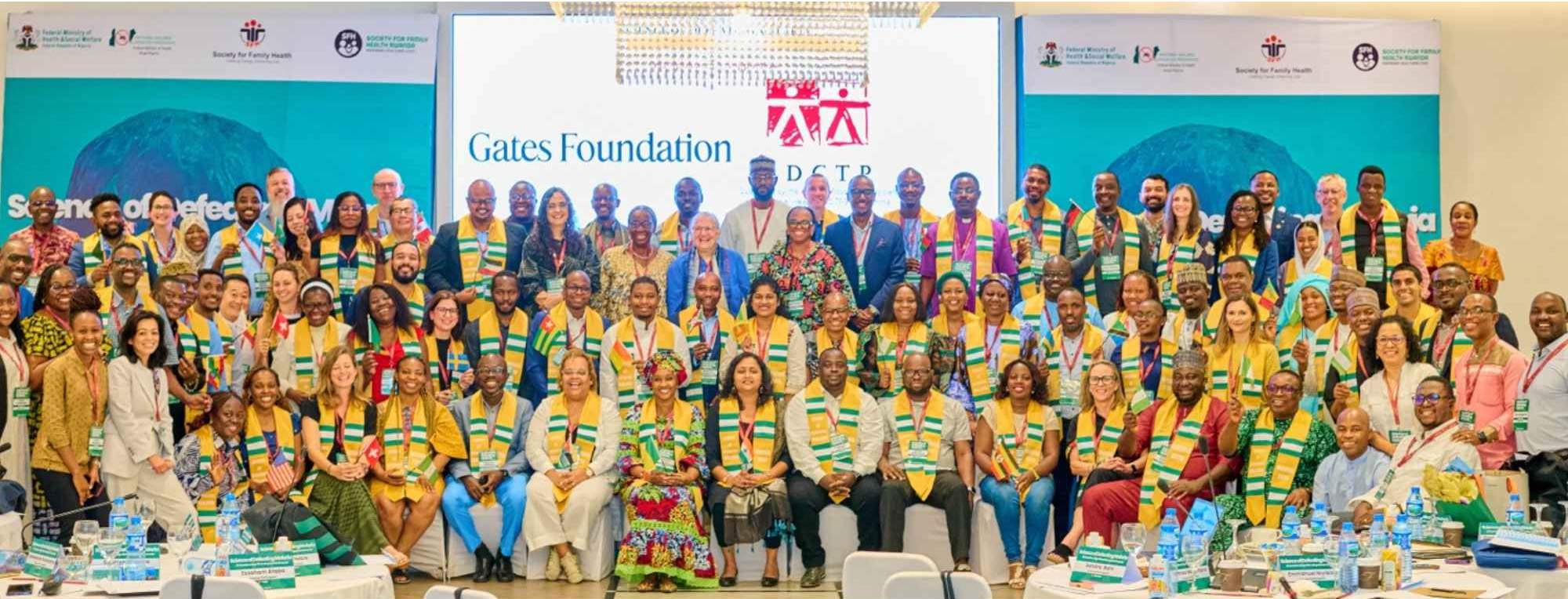
A leadership course rooted in science and action
The Science of Defeating Malaria course builds on a long-standing leadership development effort that has supported malaria professionals from around the world since 2012. Over the years, the course has helped cultivate a growing network of malaria leaders working across research, policy, implementation, public health programming, academia, government, and community systems. Its transition to African soil in recent years is especially significant. From Senegal to Ghana, Rwanda, and now Nigeria, the course has increasingly reflected a powerful truth: Africa’s malaria response must be shaped with strong African leadership, grounded in local realities, and connected to global science. The Abuja edition carried particular importance. Nigeria remains one of the most consequential countries in the global malaria response. Progress there matters not only for Nigeria, but for Africa and the world. Hosting the course in Abuja created an opportunity for participants to engage with the realities of malaria control and elimination in a setting where the stakes are high and where national leadership, scientific innovation, and implementation experience are deeply relevant.
From Rwanda to Nigeria: a growing implementation partnership
SFH Rwanda’s involvement in the 2026 course builds on the organization’s experience supporting the 2025 edition in Kigali. That experience strengthened SFH Rwanda’s role as a trusted implementation partner capable of supporting complex health convenings that bring together faculty, participants, sponsors, government institutions, and technical partners. Behind every successful global health convening are many details that participants may not always see: logistics, coordination, communication, partner engagement, participant experience, venue planning, movement of people, documentation, and the ability to respond quickly when needs arise. For SFH Rwanda, this collaboration demonstrated how African institutions can work together across borders, combining local knowledge, operational capacity, and shared public health commitment.
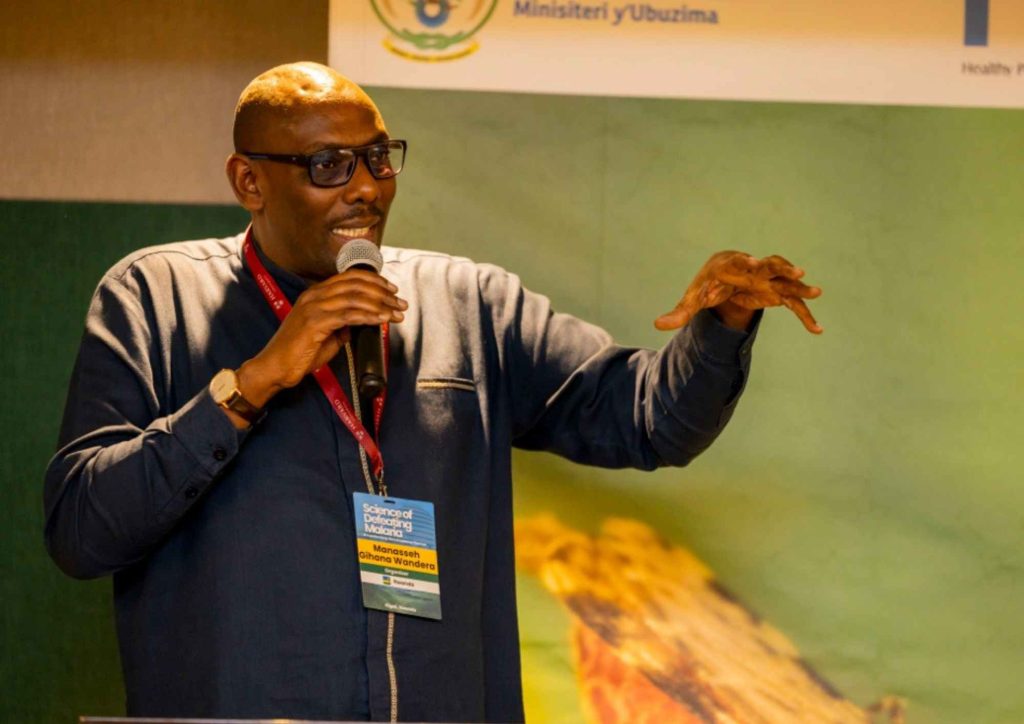
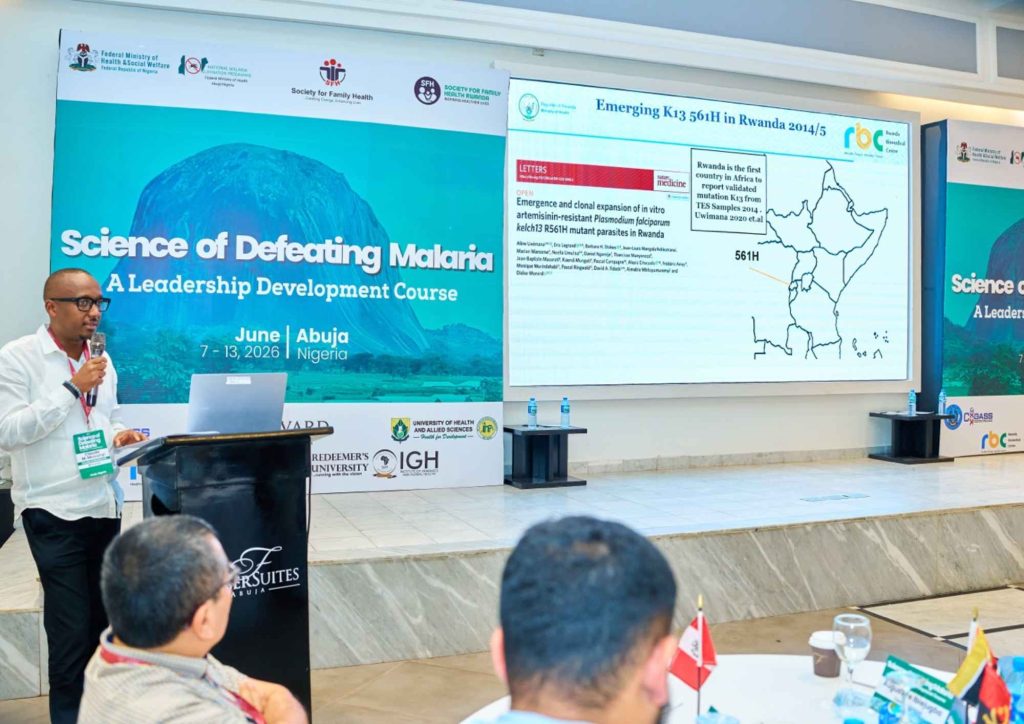
Connecting malaria leadership to stronger primary healthcare
At the same time, SFH Rwanda recognizes that the malaria response must evolve. Climate change, insecticide resistance, population movement, health financing pressures, and gaps in health workforce capacity all require stronger leadership and more adaptive systems.
Leadership development platforms such as SDM help prepare professionals to work across these complexities with evidence, urgency, and collaboration.
By supporting SDM in Rwanda and Nigeria, SFH Rwanda is contributing to a broader malaria ecosystem: one that values science, implementation, national ownership, African leadership, and the practical capacity to turn ideas into results.
At the same time, SFH Rwanda recognizes that the malaria response must evolve. Climate change, insecticide resistance, population movement, health financing pressures, and gaps in health workforce capacity all require stronger leadership and more adaptive systems. Leadership development platforms such as SDM help prepare professionals to work across these complexities with evidence, urgency, and collaboration.
By supporting SDM in Rwanda and Nigeria, SFH Rwanda is contributing to a broader malaria ecosystem: one that values science, implementation, national ownership, African leadership, and the practical capacity to turn ideas into results.
Partnership as a pathway to scale
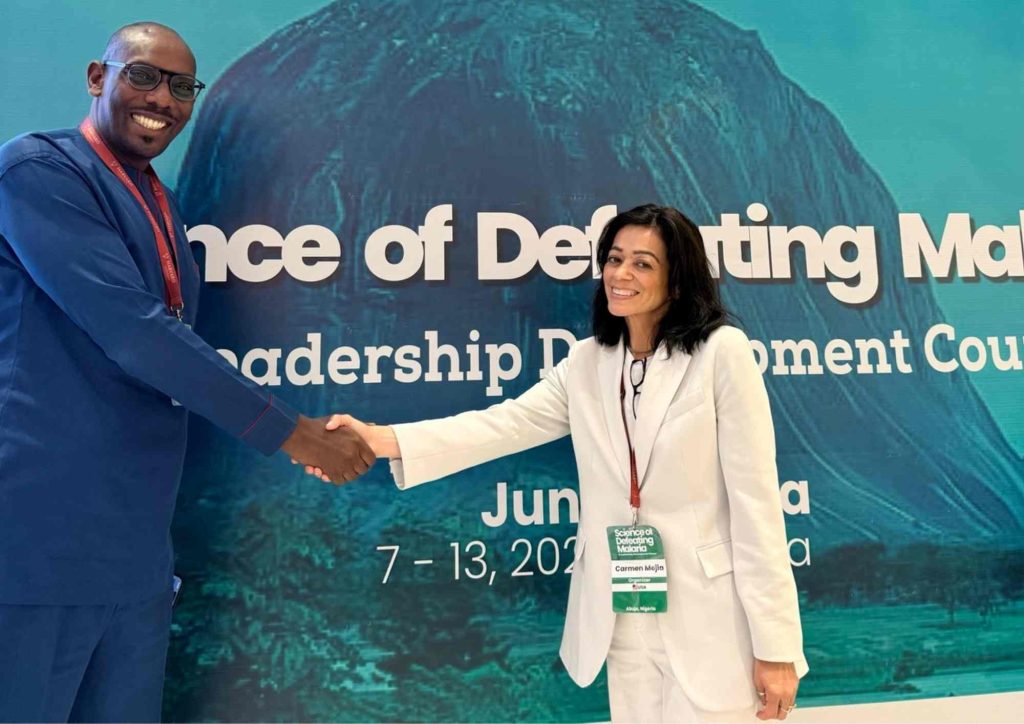
The Abuja edition also showed the power of partnership. The Science of Defeating Malaria course brought together Nigerian hosts, African academic institutions, global universities, research organizations, national malaria actors, faculty members, participants, and implementing partners.
For SFH Rwanda, this kind of partnership reflects the future of public health implementation. No single organization can defeat malaria alone. No one institution can strengthen primary healthcare alone. Sustainable progress requires governments, civil society organizations, academic institutions, funders, private sector actors, communities, and implementers to work together with clarity and trust.
This is also central to SFH Rwanda’s growth. As the organization looks beyond Rwanda, it is increasingly exploring how its experience in primary healthcare, social and behavior change, health systems strengthening, digital health, social marketing, and partnership coordination can contribute to wider African health priorities.
Working with our African counterparts like SFH Nigeria also offers a practical example of what this future can look like: African institutions cooperating across borders, learning from one another, and building the foundation for broader collaboration.
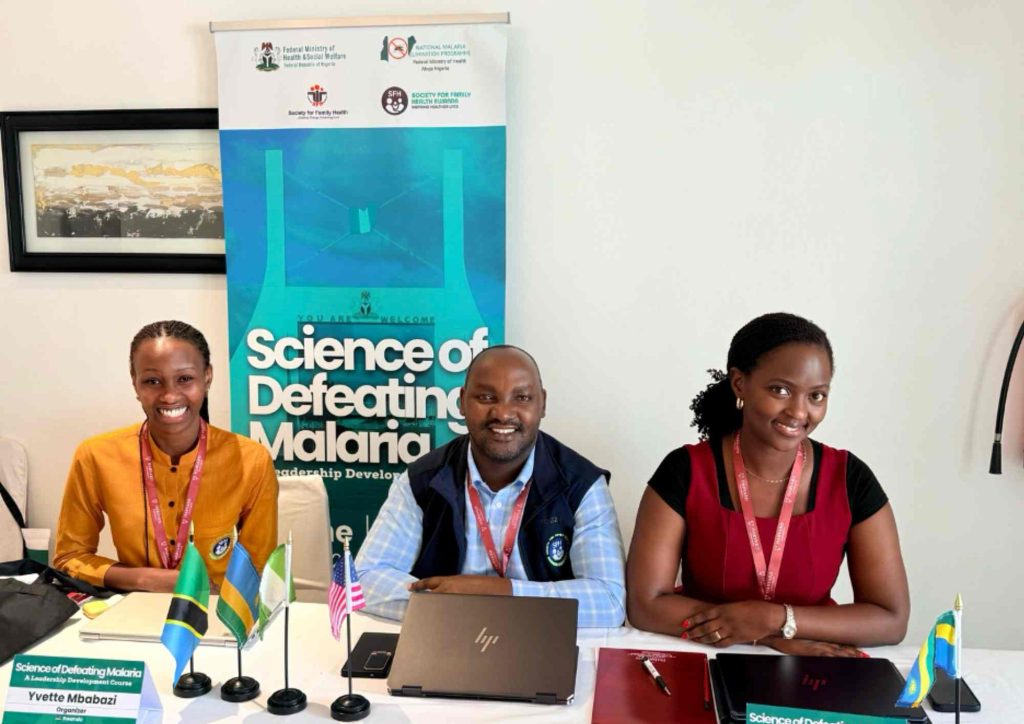
SFH Rwanda is proud to have supported the Science of Defeating Malaria course for two consecutive years: first in Kigali and now in Abuja. This journey reflects the organization’s growing role as a trusted and proud implementation partner for high-impact health platforms.
But more importantly, it reflects a commitment to the bigger goal: healthier communities, stronger primary healthcare systems, and a future where malaria no longer limits the lives and potential of African families.
From Rwanda to Nigeria, SFH Rwanda remains committed to partnerships that strengthen systems, build capacity, advance learning, and support the fight against malaria at home and beyond.
As Africa continues to lead, learn, and innovate, the message is clear: defeating malaria will require science, but it will also require leadership, implementation, and collective action.
SFH Rwanda is proud to be part of that journey.