SFH South Sudan and the UNMISS Rwandan Contingent Strengthen Access to PrimaryHealthcare in Juba
In Gudele, Juba, a partnership rooted in service, solidarity, and community trust is helping expand what primary healthcare can deliver for underserved communities.
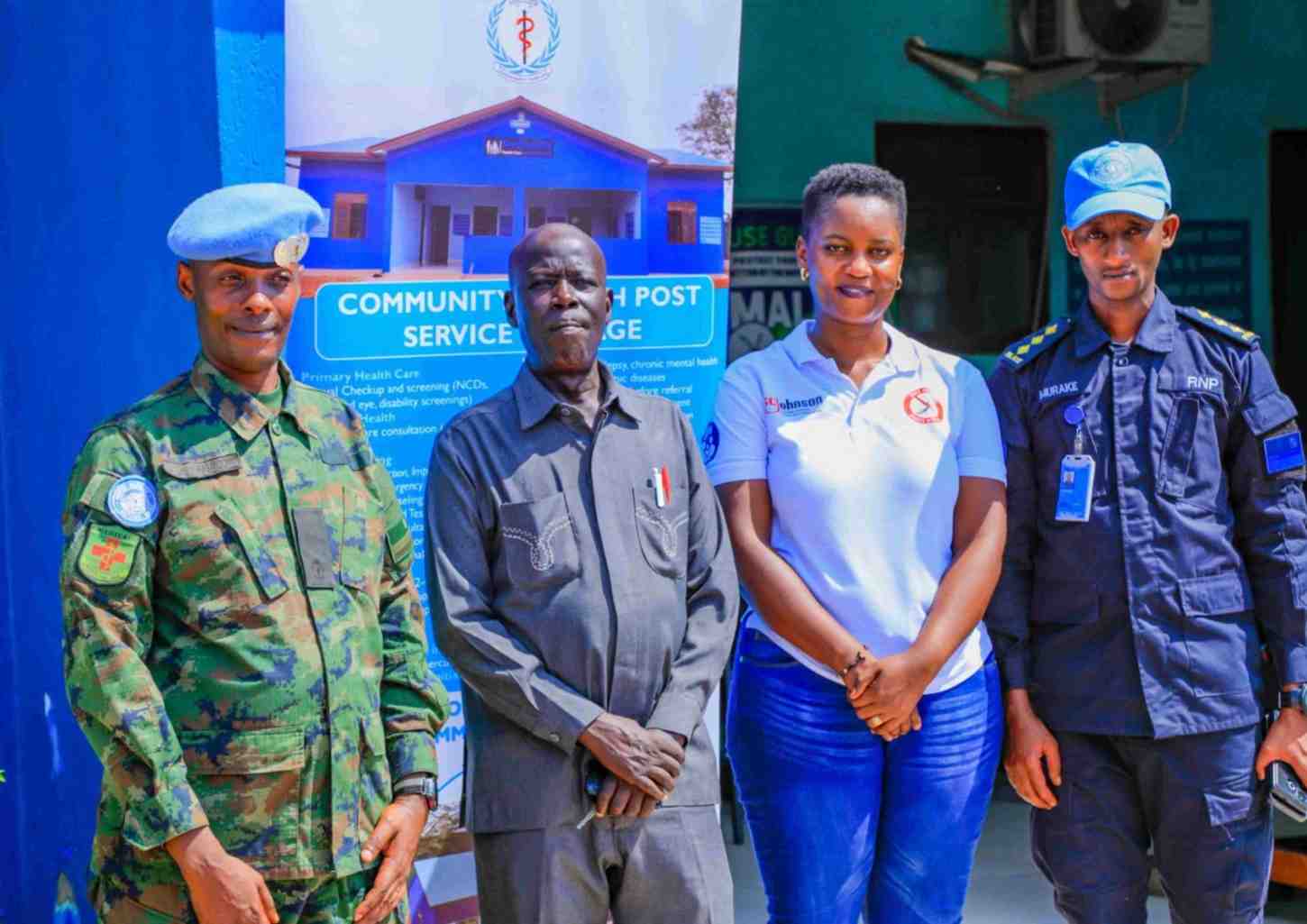
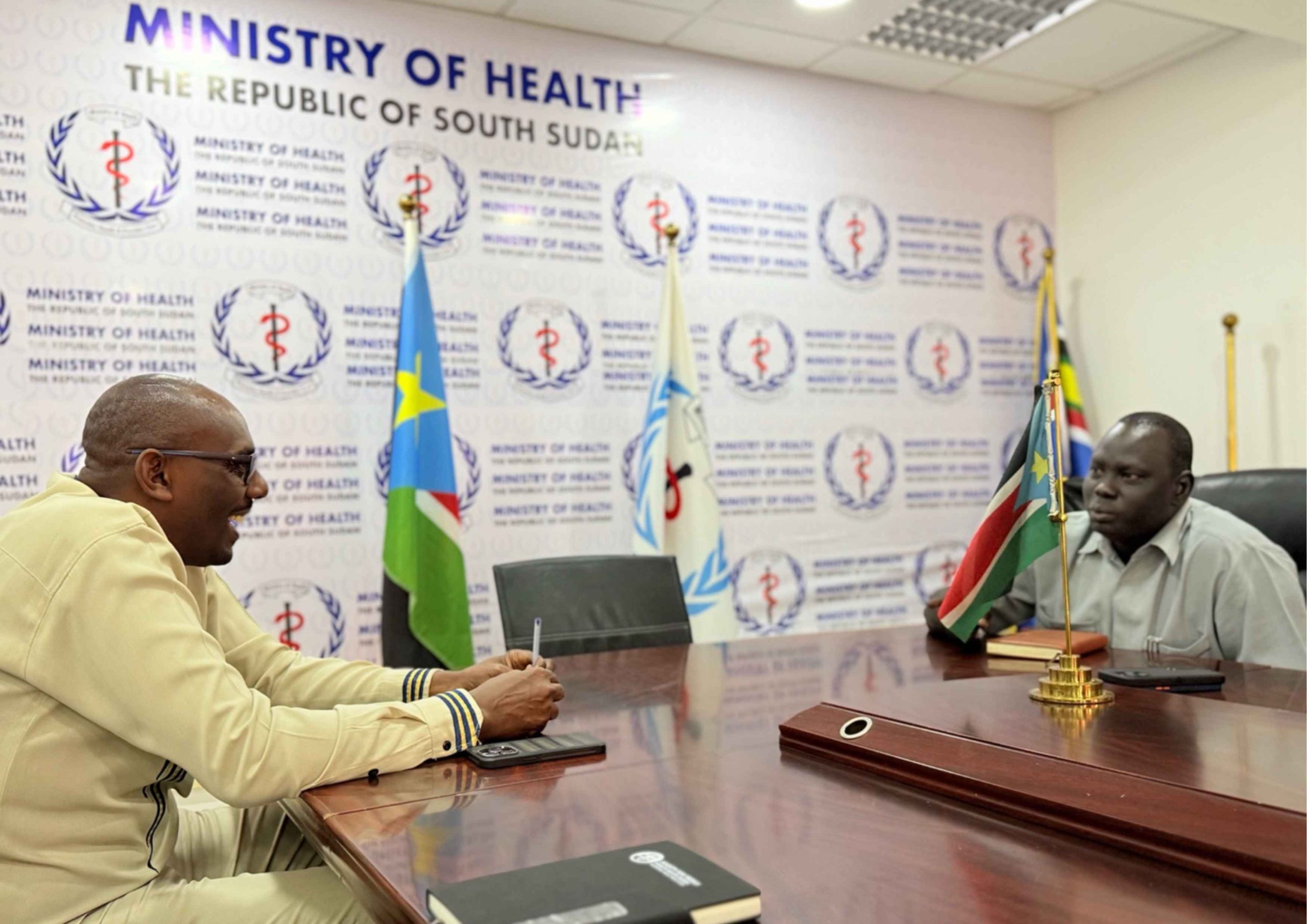
Through collaboration with the Rwandan Contingent serving under the United Nations Mission in South Sudan (UNMISS), Society for Family Health South Sudan is strengthening access to essential and specialized health services, while reinforcing the role of primary healthcare as the first and most trusted point of care for communities.This collaboration reflects a practical model of partnership beyond borders: bringing together civil society, peacekeeping support, local health systems, and community-centered implementation to respond where health needs are greatest.
In Gudele, Juba, a partnership rooted in service, solidarity, and community trust is helping expand what primary healthcare can deliver for underserved communities. Through collaboration with the Rwandan Contingent serving under the United Nations Mission in South Sudan (UNMISS), Society for Family Health South Sudan is strengthening access to essential and specialized health services, while reinforcing the role of primary healthcare as the first and most trusted point of care for communities. This collaboration reflects a practical model of partnership beyond borders: bringing together civil society, peacekeeping support, local health systems, and community-centered implementation to respond where health needs are greatest. For SFH South Sudan, the partnership with the UNMISS Rwandan Contingent builds on a journey that began in 2021, when SFH established its operations in South Sudan with a strong focus on primary healthcare, malaria prevention, community engagement, and health systems strengthening. Since then, SFH South Sudan has worked with the Ministry of Health, SC Johnson, local authorities, community leaders, and development partners to bring services closer to people, particularly in underserved and hard-to-reach areas.
When Peacekeeping Support Meets Primary Healthcare
The collaboration between SFH South Sudan and the UNMISS Rwandan Contingent has helped extend the reach of Gudele Health Facility beyond routine service delivery.
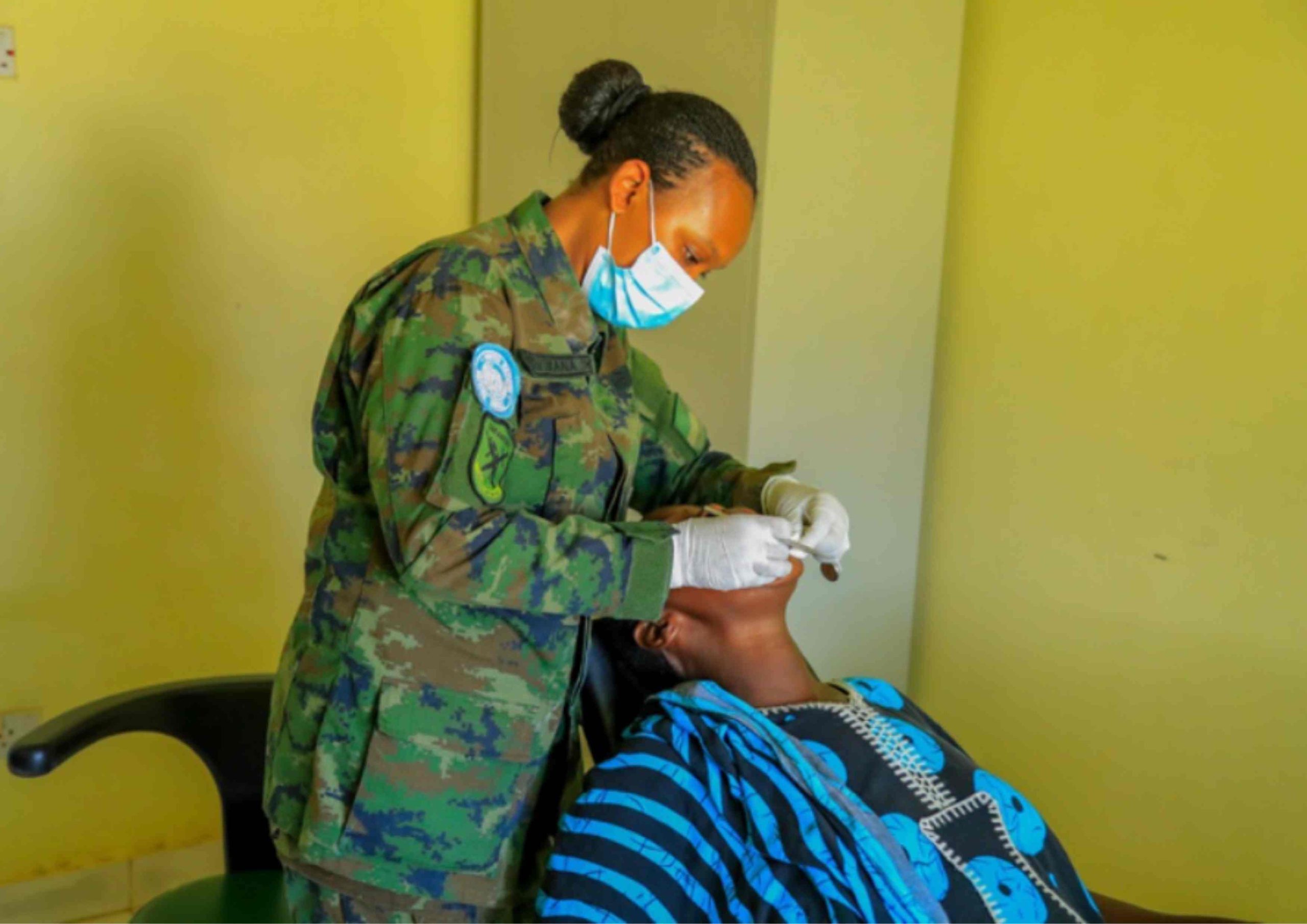
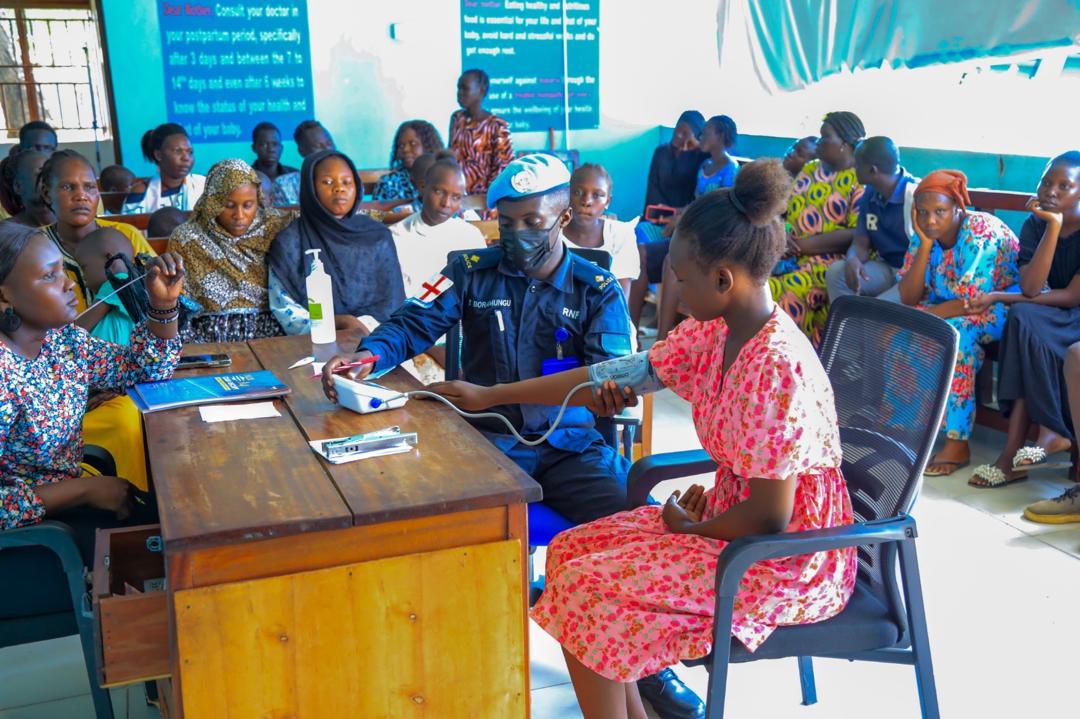
Through this partnership, SFH and the Rwandan peacekeepers supported free specialized medical outreach services for more than 500 residents in Gudele, Juba. The outreach provided services such as dental care, eye care, and obstetric ultrasound examinations for pregnant women — services that many community members would otherwise struggle to access at primary care level.
For pregnant women, access to obstetric ultrasound closer to home is more than a convenience. It supports early identification of risks, improves maternal reassurance, and strengthens referral decision-making when complications are detected. For residents receiving dental and eye care, the outreach reduced the need to travel or wait for specialized services elsewhere, easing financial and logistical barriers for families.
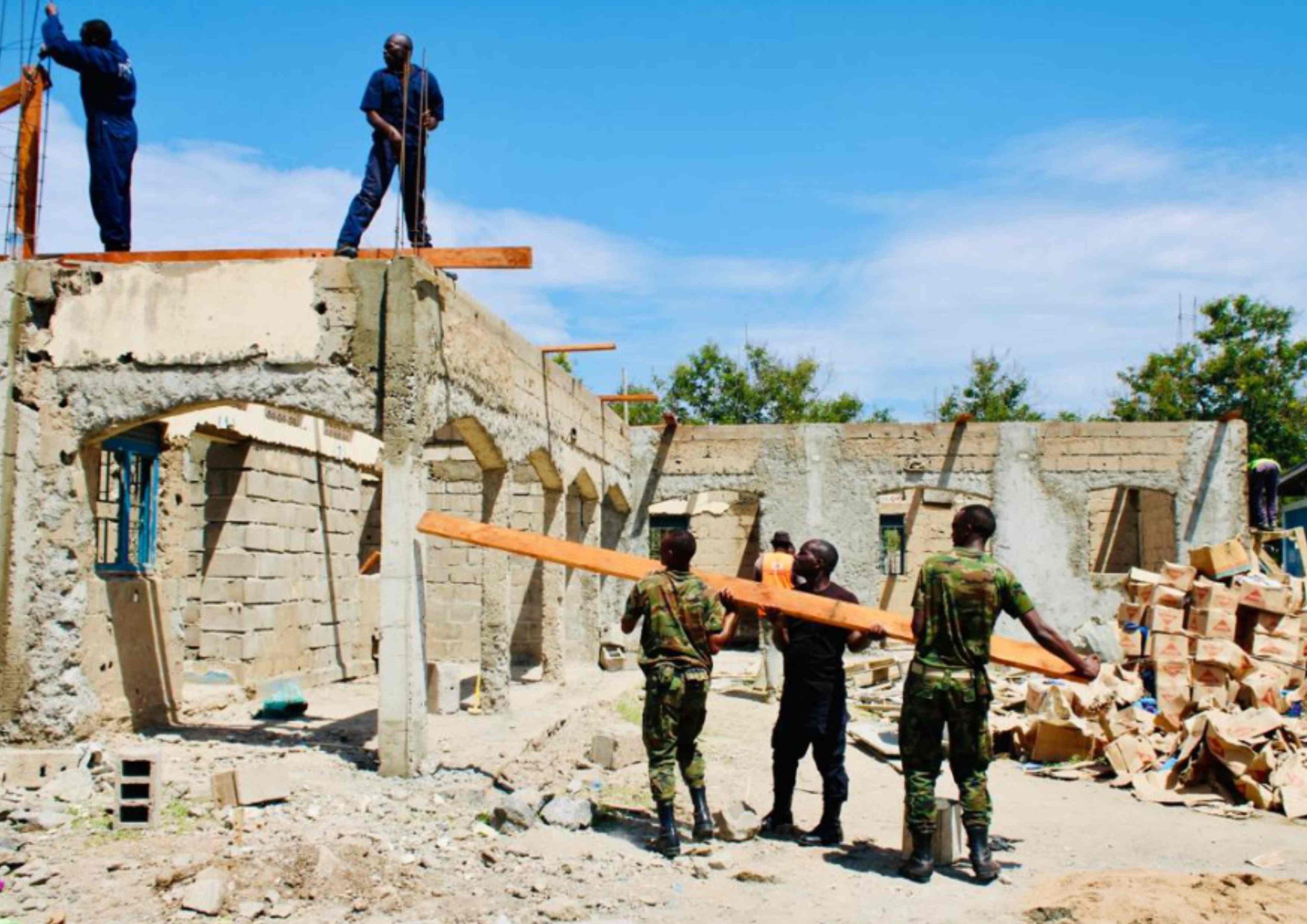
Beyond medical outreach, the collaboration has also moved into health infrastructure strengthening. With support from the UNMISS Rwandan Contingent Army and Police, SFH South Sudan officially launched renovation works at the Gudele Block 4 Health Facility in Juba. Once completed, the expanded wing will add inpatient capacity, improve storage space for medicines and medical supplies, and provide dedicated working space for healthcare personnel and administration.
This support is significant because it moves the partnership from short-term service delivery to long-term health system strengthening. Additional beds and improved facility space will help Gudele Health Facility manage more patients, reduce unnecessary referrals, improve continuity of care, and strengthen its readiness to serve the surrounding community.
Health Education as Part of Service Delivery
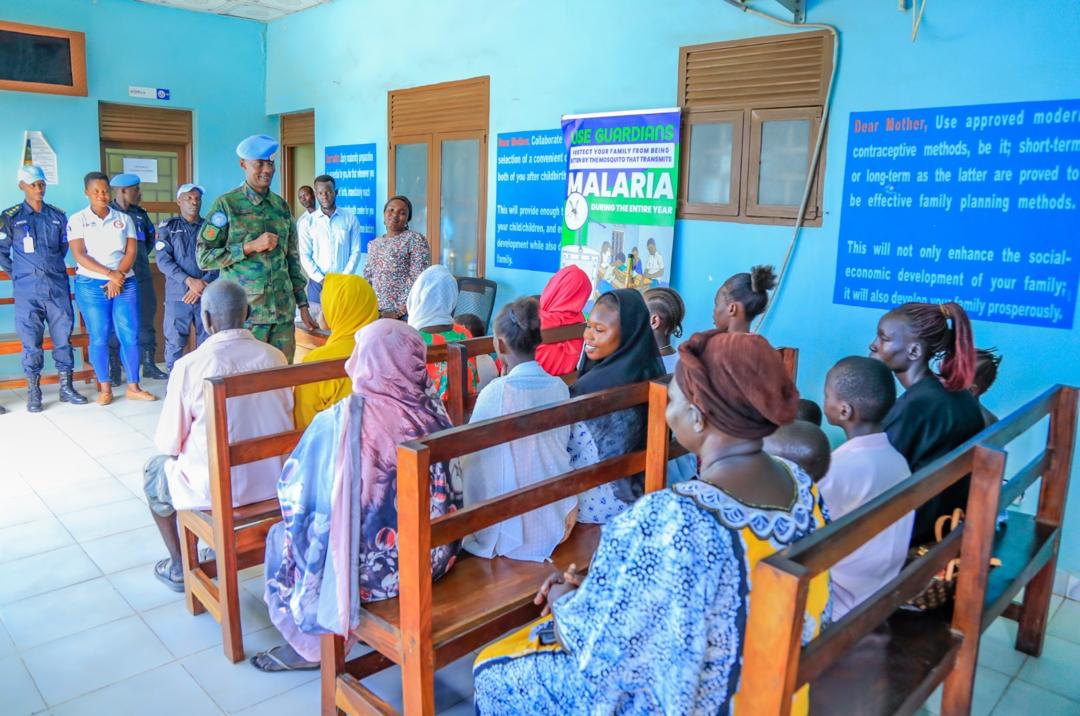
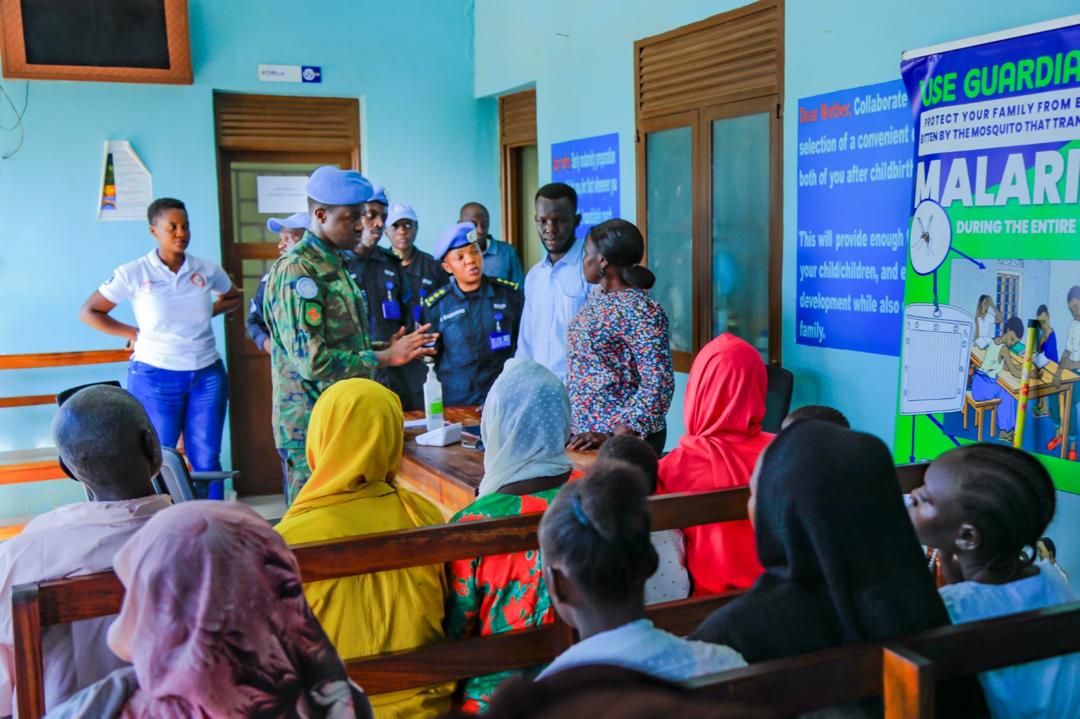
This engagement also created an opportunity to engage the community on prevention, health literacy, and preparedness. Community members received health education on hygiene and sanitation-related disease prevention, malaria prevention, and Ebola Virus Disease preparedness, particularly in light of reported outbreak risks in neighboring Uganda and the Democratic Republic of the Congo.
For SFH South Sudan, this approach aligns strongly with its community-centered model. Health education has been a core part of its work since 2021, including routine morning health talks at Gudele PHCC, community events, door-to-door visits, radio talk shows, interpersonal communication sessions, and engagement with community health workers and local leaders.
Malaria Prevention: A Shared Priority for Community Health
Malaria remains one of South Sudan’s most urgent health challenges, especially for pregnant women, children under five, displaced populations, and households in high-transmission areas.
From the beginning of its operations, SFH South Sudan has placed malaria prevention at the center of its work. In collaboration with SC Johnson, the Ministry of Health, local leaders, and other partners, SFH has implemented social behavior change communication, social marketing, community outreach, and product distribution to support malaria prevention.
The work has also included the distribution of mosquito repellents and vector-control products, including Baygon coils, OFF! Lotion, OFF! sachets, and Guardian™ spatial repellents. Since 2021, SFH South Sudan has distributed more than 120,000 Baygon coils, over 23,000 tubes of OFF! Lotion, more than 192,000 OFF! sachets, and more than 10,000 Guardian™ spatial repellents across targeted communities.
The collaboration with the UNMISS Rwandan Contingent also reinforced this malaria prevention agenda. During joint community activities, SFH, local leaders, and Rwandan peacekeepers supported general cleaning efforts to reduce mosquito breeding sites and distributed Guardian™ mosquito repellents to help protect households from malaria.

Guardian™ and the Next Generation of Malaria Prevention
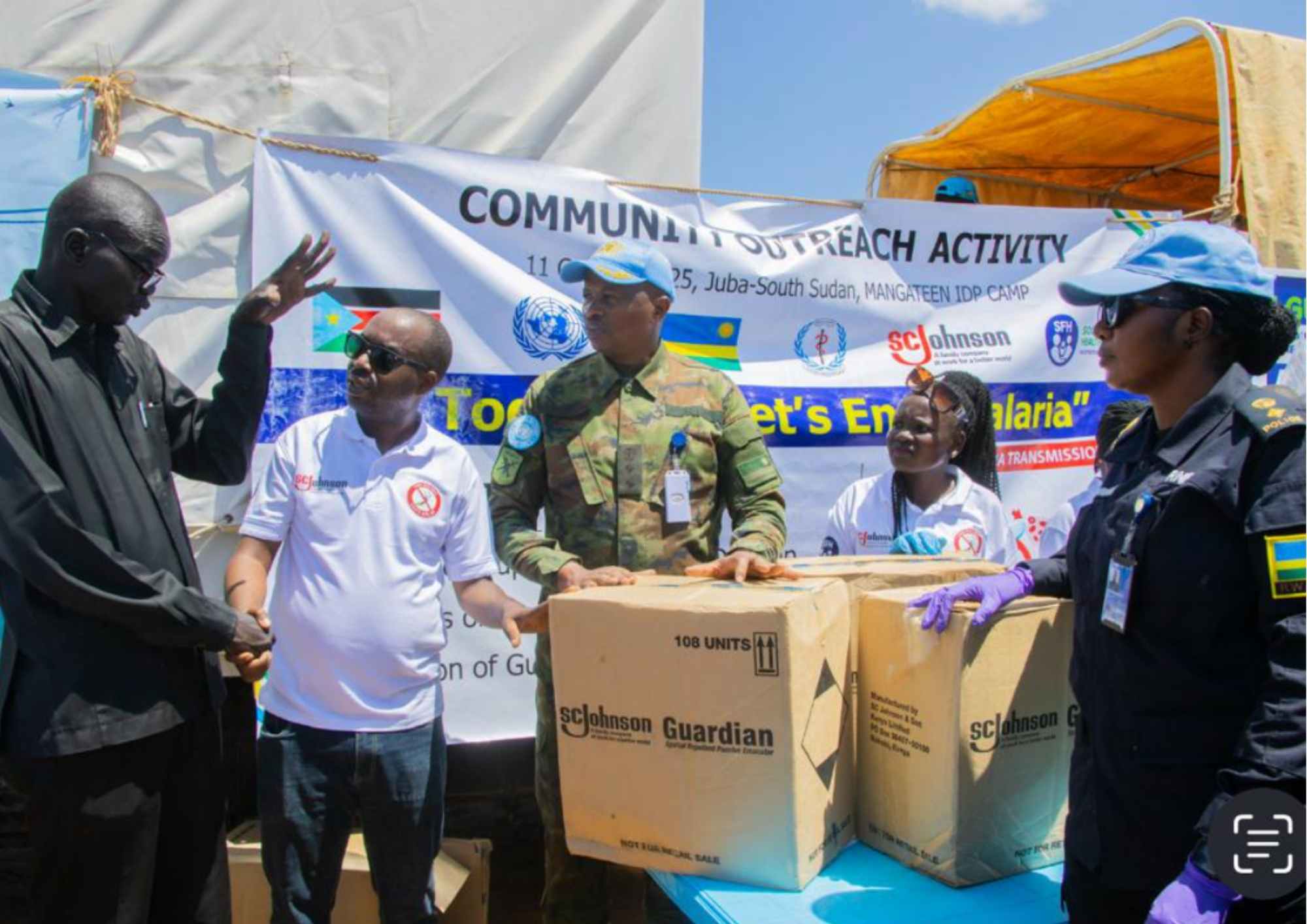
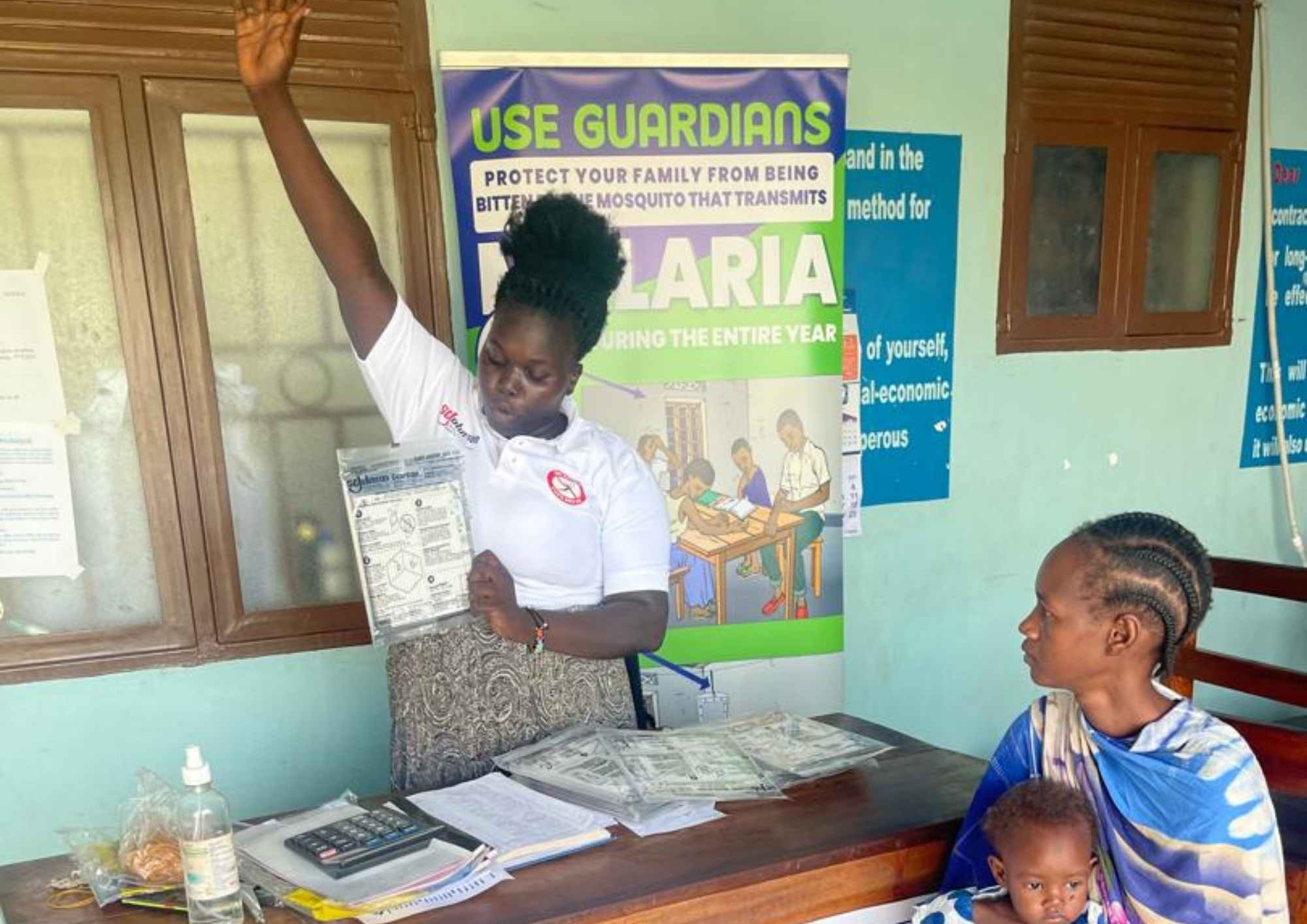
The distribution of Guardian™ in South Sudan is part of SFH’s broader commitment to supporting innovative malaria prevention tools that can complement existing interventions such as insecticide-treated nets, indoor residual spraying, diagnosis, treatment, and community education.
Guardian™ spatial repellents offer an additional layer of protection by helping reduce mosquito-human contact in spaces where people live and gather. For communities facing high malaria risk, especially where exposure may happen indoors, outdoors, or during evening activities, such tools can help strengthen prevention when integrated into a wider malaria control strategy.
SFH South Sudan has also contributed to evidence generation through its work with SC Johnson and the Central Equatoria State Ministry of Health to assess the effectiveness of Mosquito Shield™ in selected sites, including Gudele and Juba Nabari. This study engaged households, community volunteers, and technical experts to better understand the potential of spatial repellents, including their entomological impact and community acceptance.
This connection between product access, evidence generation, and community implementation reflects SFH’s broader organizational approach: solutions must be practical, tested, trusted, and responsive to the realities of communities.
A Regional Vision: South Sudan, Malaria, and the Great Lakes
SFH South Sudan’s malaria work also links to a wider regional public health vision.
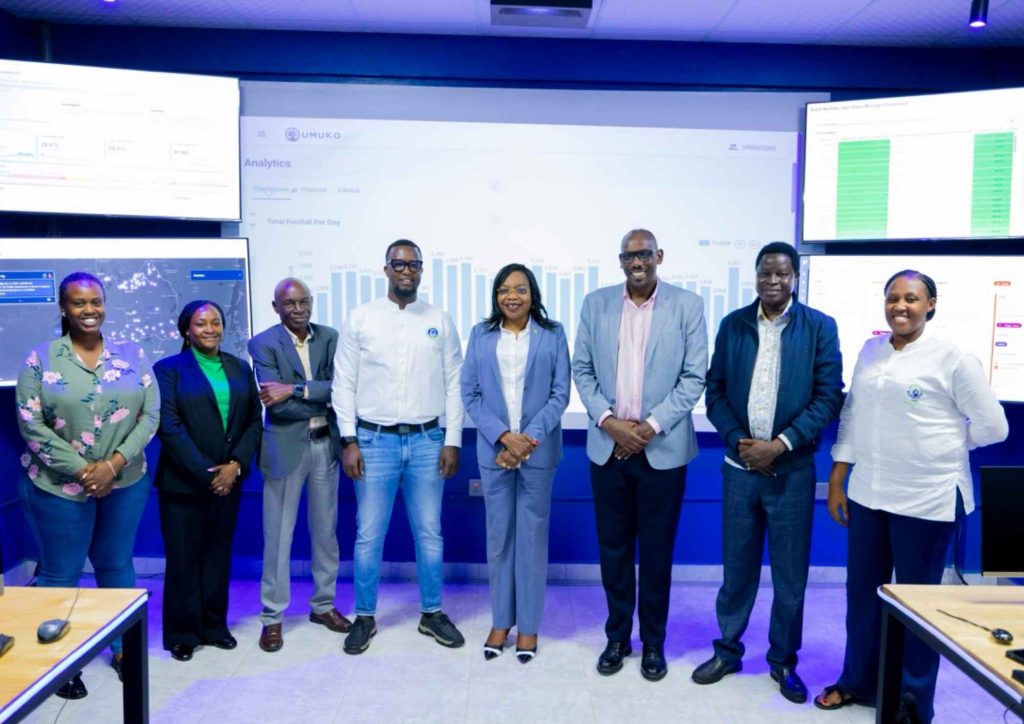
South Sudan is part of the broader Great Lakes region, where malaria remains a shared challenge shaped by population movement, displacement, climate vulnerability, cross-border transmission, and unequal access to prevention tools. Through the Great Lakes Malaria Initiative, countries and partners are increasingly recognizing that malaria elimination requires coordinated, cross-border, and community-centered action.
For SFH, this regional perspective is essential.
The fight against malaria in South Sudan is connected to the fight against malaria across the Great Lakes region. Progress in one country strengthens regional health security. Gaps in one area can affect neighboring communities. This is why SFH’s work in South Sudan is not separate from its broader African vision; it is part of it.
By combining SC Johnson’s innovation, SFH’s community implementation capacity, local leadership, and partnerships such as the collaboration with the UNMISS Rwandan Contingent, SFH South Sudan is contributing to a regional model of malaria prevention rooted in access, evidence, and trust.
Expanding the Primary Healthcare Footprint
The UNMISS collaboration sits within a broader SFH South Sudan effort to strengthen primary healthcare access.
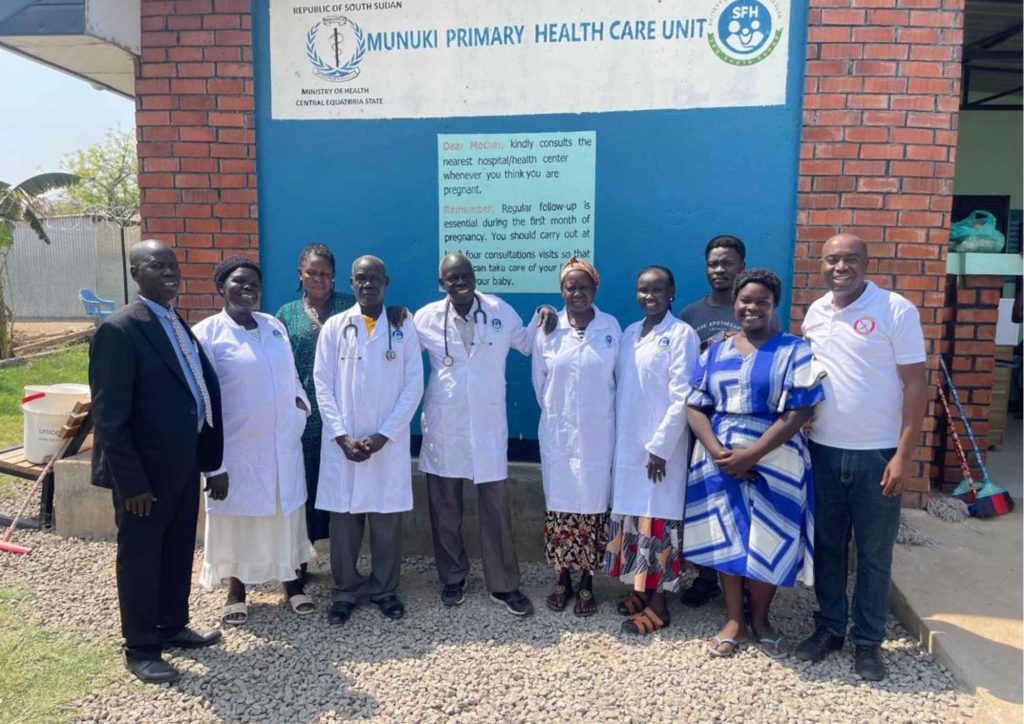
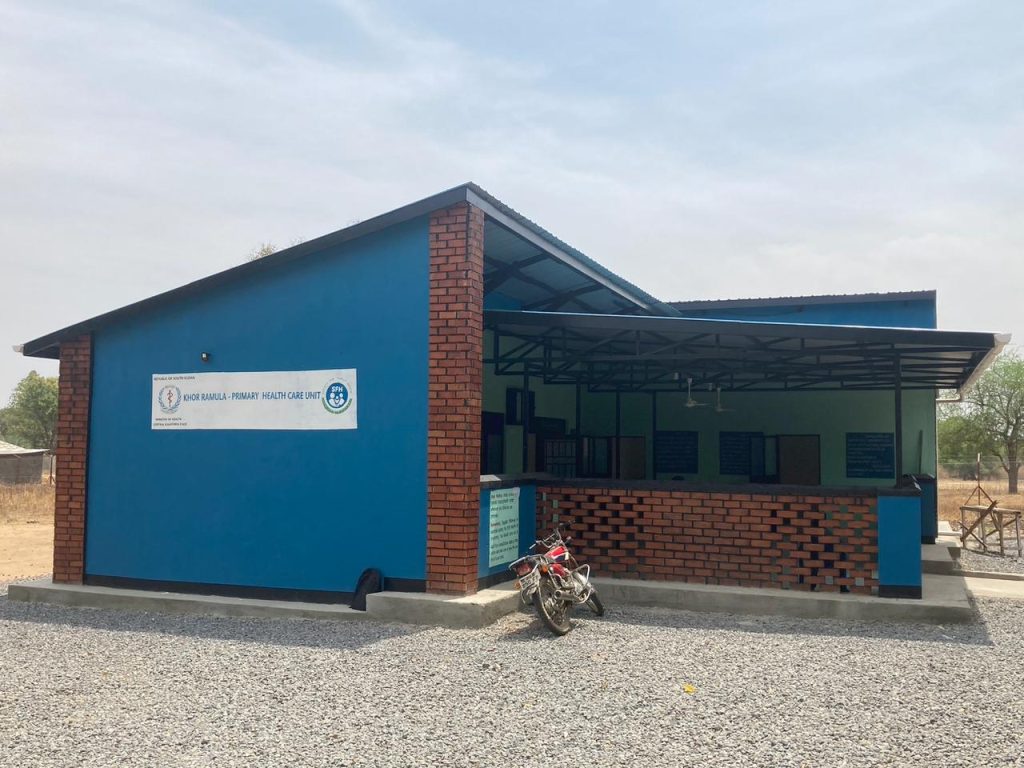
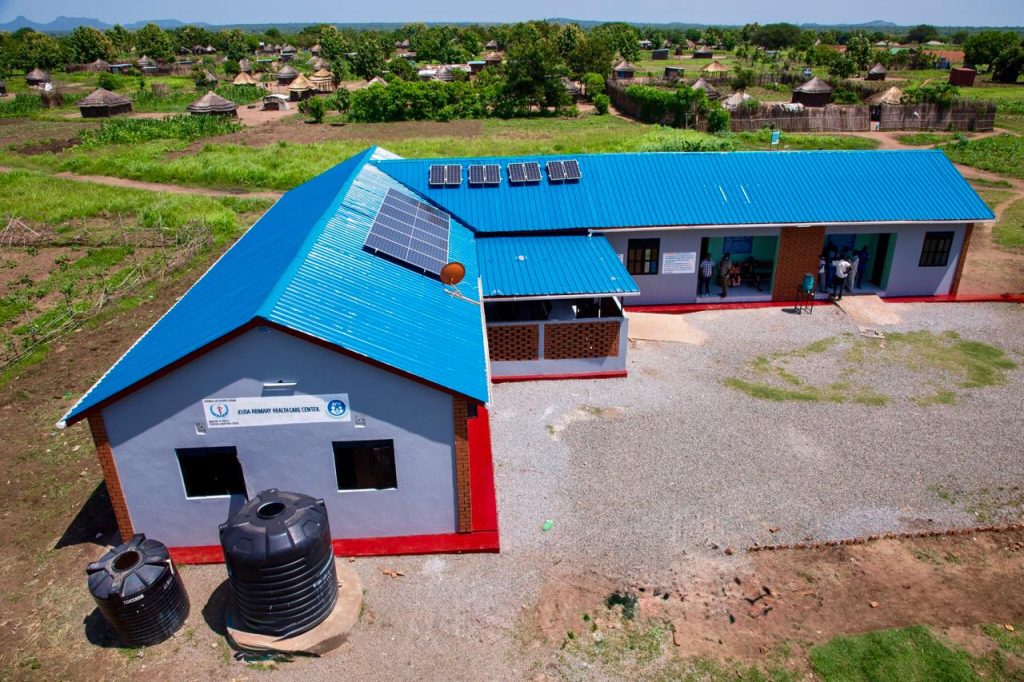
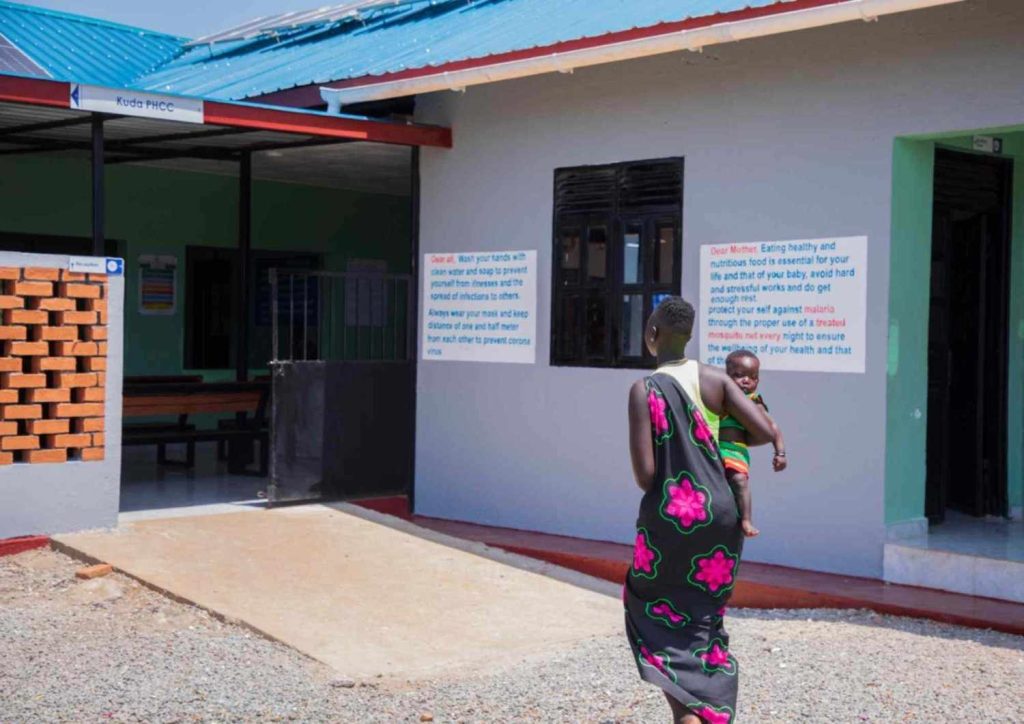
Beyond Gudele, SFH South Sudan has supported the renovation and equipping of additional Primary Health Care Centers, including Munuki, Khor Lomula, and Kuda. These facilities were upgraded to improve access to essential health services for underserved populations by addressing gaps in infrastructure, medical equipment, service readiness, and supplies.
The renovated facilities were officially launched in Kuda in June 2025, with participation from national and local leaders, health officials, and community representatives. This marked an important milestone in SFH South Sudan’s contribution to strengthening the country’s PHC system.
This broader investment matters because outreach is most impactful when it is connected to functioning facilities. Specialized medical camps can respond to immediate needs, but communities also need places they can return to for consultations, follow-up, medicines, maternal care, testing, prevention, and referral.
That is the value of Gudele and the wider PHCC expansion. They provide a platform where partnerships can land, services can be delivered, and trust can grow over time.
Expanding the Primary Healthcare Footprint
One of the strongest outcomes of the collaboration between SFH South Sudan and the UNMISS Rwandan Contingent is trust.
In underserved communities, people do not seek care only because a facility exists. They seek care when they believe the service is reliable, respectful, safe, and worth their time. They return when they are received well, guided clearly, and treated with dignity.
This is why SFH South Sudan has invested not only in clinical staff, but also in customer care, patient flow, health education, and community engagement. At Gudele PHCC, the customer care function supports patient registration, service information, waiting time management, and client satisfaction. These functions may seem simple, but they are central to health-seeking behavior.
When a beneficiary feels welcomed, listened to, and informed, the facility becomes more than a building. It becomes a trusted space.
The UNMISS collaboration strengthens this trust by bringing visible, practical support to the community. It shows residents that different actors — health providers, peacekeepers, local leaders, and partners — can come together around their wellbeing.
Partnership Beyond Borders, Rooted in African Solidarity
The collaboration between SFH South Sudan and the UNMISS Rwandan Contingent reflects African solidarity in action.
For SFH, this aligns with a broader vision for Africa: building strong, trusted, community-centered primary healthcare systems that can respond to everyday health needs while remaining resilient in the face of disease outbreaks, conflict, displacement, and public health emergencies.
It also reflects SFH’s mission to optimize primary healthcare through evidence-based, technology-driven solutions, fostering innovation and strategic partnerships for lasting impact.
In South Sudan, that mission is visible in a pregnant woman receiving an ultrasound closer to home. It is visible in a child whose family receives malaria prevention messages and protection tools. It is visible in a community member accessing dental or eye care through outreach. It is visible in a health facility that continues to serve thousands of people despite operating in a challenging environment.
Looking Ahead

The work ahead remains significant. South Sudan continues to face challenges including stock-outs of health products, security constraints, limited funding, and high demand for essential services. But the progress made since 2021 shows what is possible when health systems strengthening, malaria prevention, community outreach, and trusted partnerships move together.
From Gudele to Kuda, from Guardian™ repellents to specialized medical outreach, from community health education to facility-based care, SFH South Sudan is helping demonstrate what people-centered primary healthcare can look like in practice.
Because in South Sudan, healthcare access is not only about bringing services closer.
It is also about bringing partners together, building trust with communities, and ensuring that every interaction moves people closer to healthier lives.