In Rwanda, where over 80% of the population resides in rural areas, the journey to healthcare can be long, costly, and uncertain. Society for Family Health (SFH) Rwanda is tackling this by deploying a powerful, evidence-based model that fuses social marketing with deeply resonant social and behavior change (SBC) initiatives. This dual strategy is not just delivering products and services; it is fundamentally shifting health-seeking behaviors, creating sustainable demand, and generating quantifiable, large-scale impact.
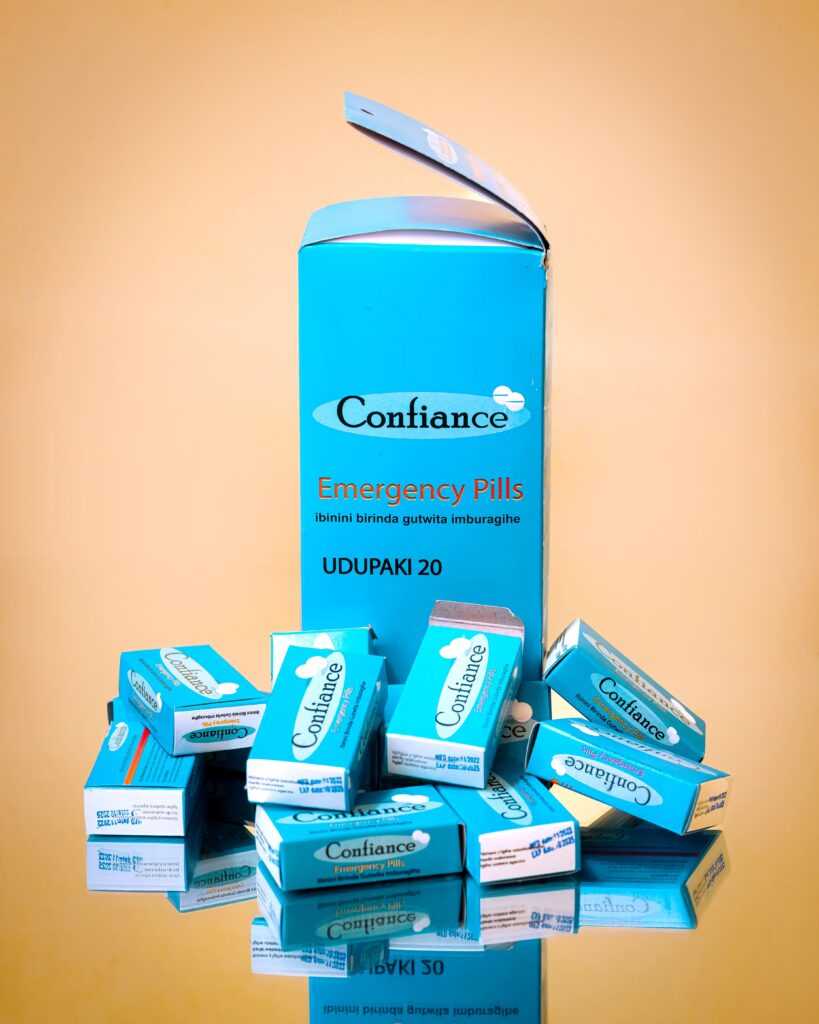

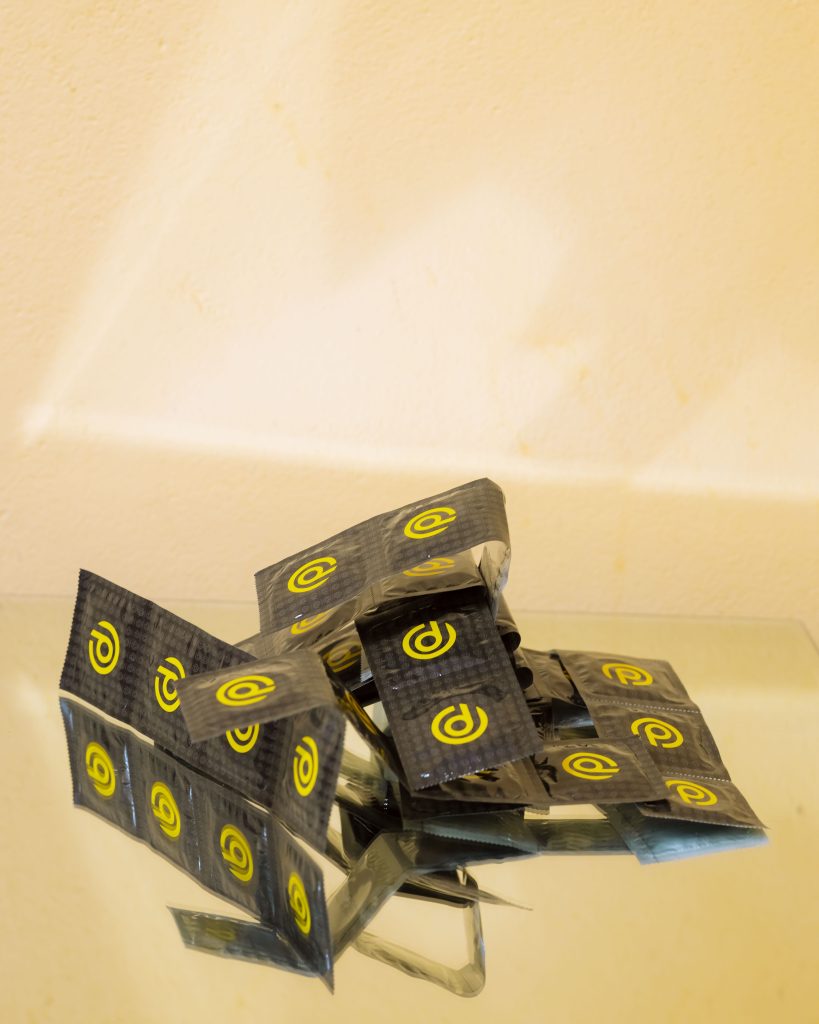
For many Rwandan families, the decision to plan a family is tied to access, access to accurate information, quality services, and affordable products. Through our social marketing of family planning solutions like Prudence, Plaisir, and Confiance, we ensure those needs are met with dignity. Today, 79% of pill users and 43% of condom users rely on our products nationwide. This market dominance was achieved by building a robust distribution network of trained health agents, health posts, and private outlets, ensuring products are available where rural Rwandans live and work.
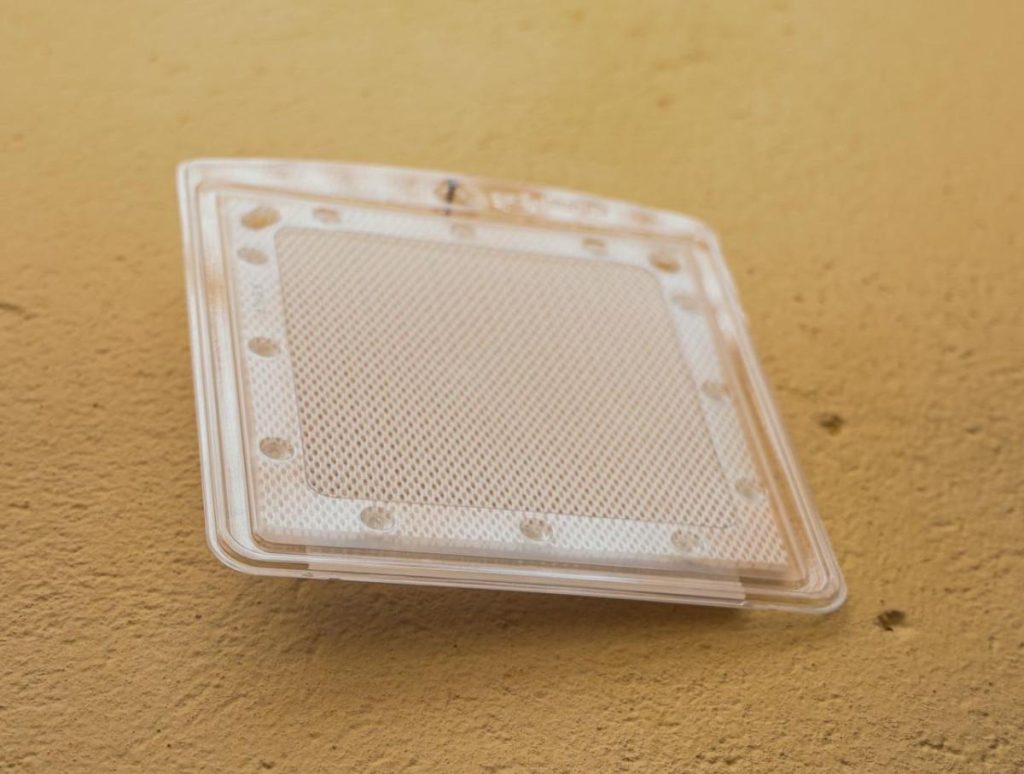
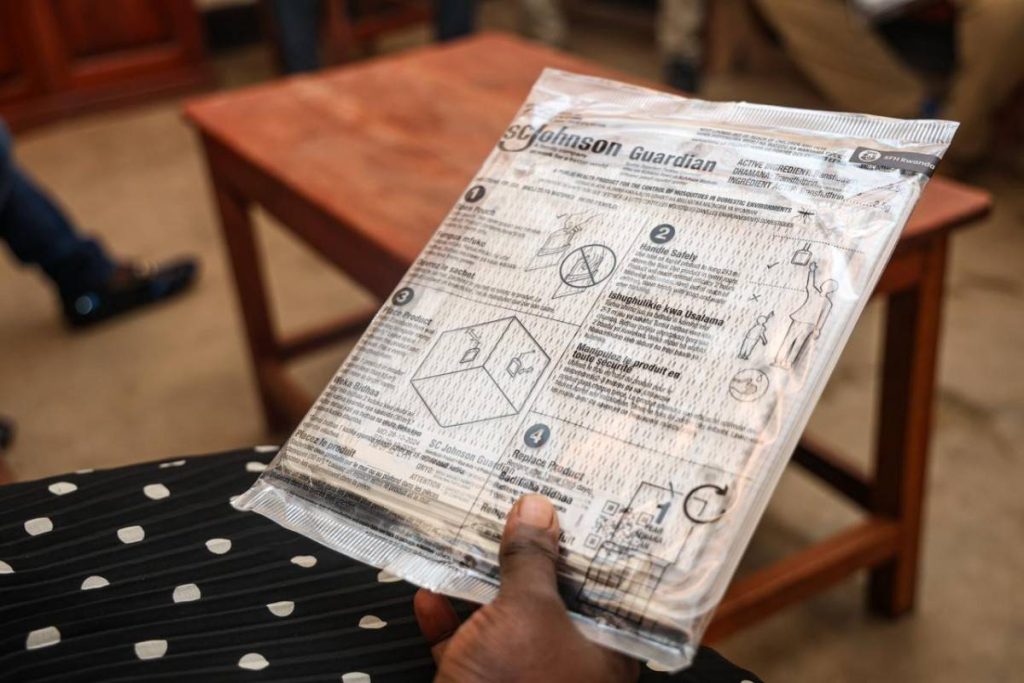
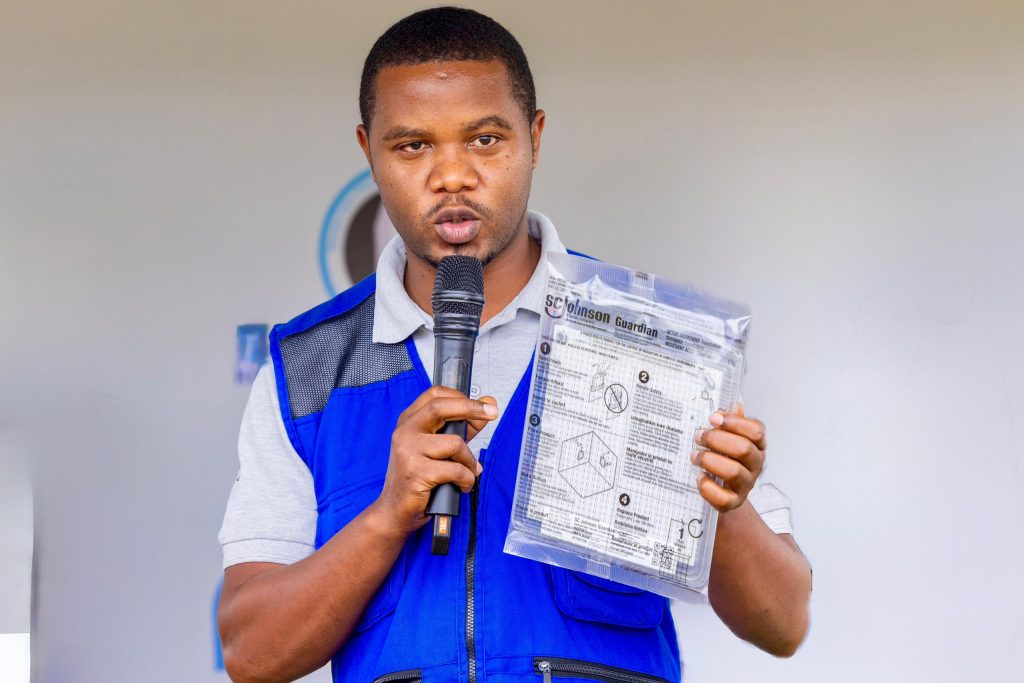
In partnership with SC Johnson, we’ve led one of Rwanda’s most effective anti-malaria campaigns, distributing over 520,000 spatial repellents across communities. What made this initiative unique was our commitment to circular sustainability: we recovered and recycled 99.7% of the units into building materials like roof tiles. This initiative not only protected more than 3.2 million Rwandans from malaria but also reduced environmental waste and empowered communities with clean energy alternatives.
The trust and demand generated by SFH’s marketing and SBC campaigns create a powerful pull-through effect on the formal health system. By promoting grassroots prevention, we’re building a foundation of community-led health ownership and delivering measurable improvements in health access. Our behavioral change campaigns, rooted in local language and culture, further amplify our reach by building trust and ownership within the communities we serve.
By addressing the health barriers rural Rwandans face every day, we’re not just changing health outcomes. We’re changing futures.